
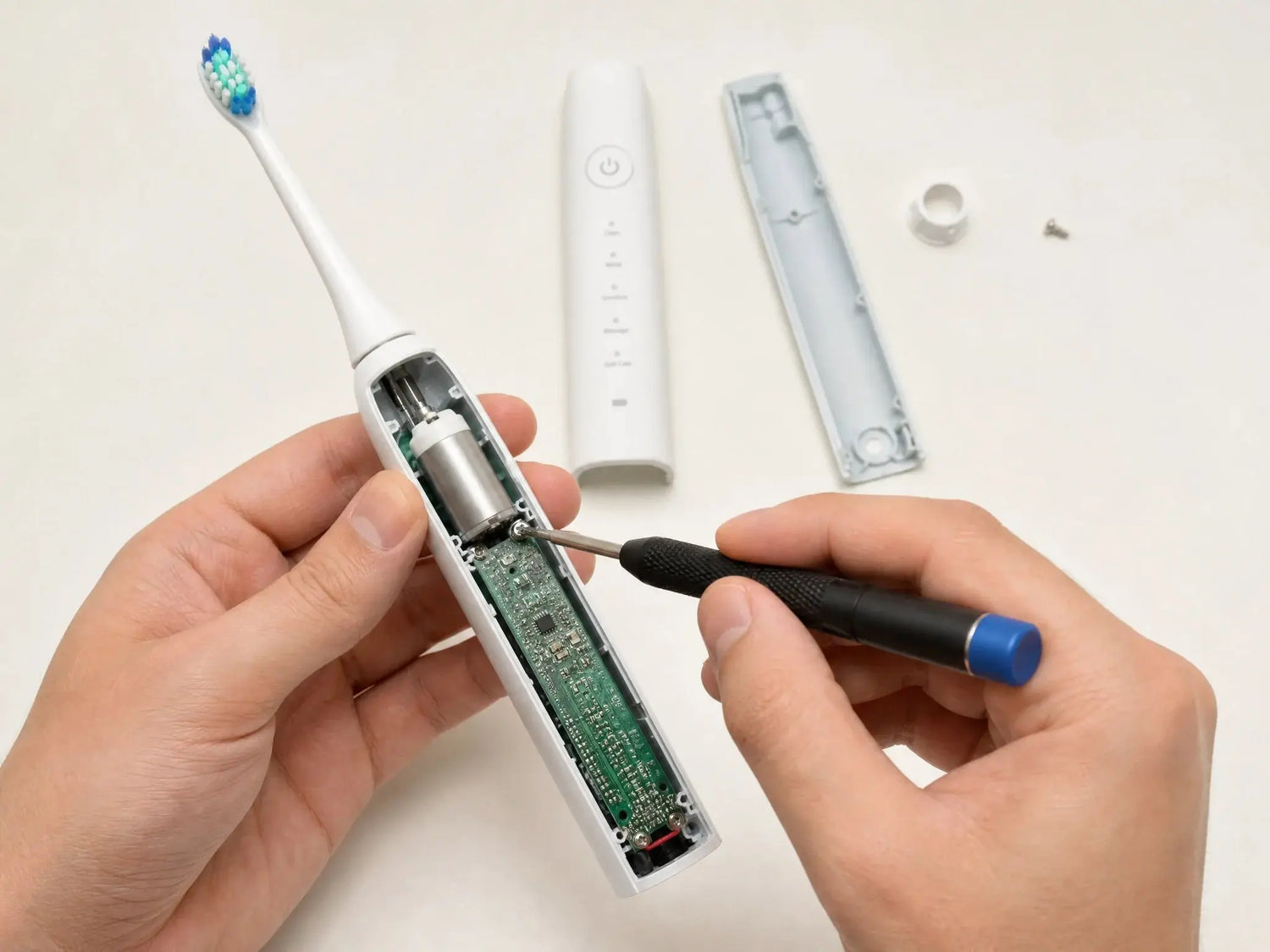
TL;DR — Tossing your old electric toothbrush in the trash does more than fill a landfill. Damaged batteries can cause fires and leak toxic chemicals, while the plastic handle breaks down into persistent microplastics. The fix is simpler than it seems: remove the battery, separate the parts, and use a brand take-back program or local e-waste drop-off to give those materials a second life.
Why Proper Electric Toothbrush Disposal Matters
Every year, millions of personal care devices get thrown into the bin. An electric toothbrush might look harmless, but its inner parts tell a different story. A sealed battery and a mix of plastic types make it a small but concentrated piece of electronic waste.
When you bury it in a landfill, that compact device can become a real hazard. Crushed batteries spark easily, and in fact damaged batteries cause hundreds of fires every year in the waste stream, according to recycling campaigners Recycle Your Electricals. Recycling correctly prevents those risks and lets manufacturers recover copper, magnets, and high-grade plastics.
Environmental Hazards of Batteries and E-Waste
An electric toothbrush handle contains a rechargeable cell and a circuit board. When the casing cracks in a landfill, the problems start.
- Soil and water contamination: Lithium-ion and Nickel-Metal Hydride (NiMH) batteries can leak heavy metals like cobalt, nickel, and lead into groundwater.
- Fire risk: A punctured or crushed battery can short-circuit and ignite dry trash, releasing toxic smoke at waste facilities.
- Microplastic persistence: The ABS plastic handle won’t biodegrade. Over decades, it weathers into tiny particles that enter the food chain.
The Hidden Value in Your Old Toothbrush: Recovering Precious Materials
Think of your dead toothbrush not as garbage, but as a tiny urban mine. Circuit boards contain copper and gold traces. The motor holds a powerful rare-earth magnet. The plastic shell is a recyclable polymer. By dropping it at an e-waste center, you supply raw materials that reduce the need for new mining.
| Part | Recoverable Material |
|---|---|
| Handle casing | High-grade ABS plastic |
| Motor and circuit board | Copper wiring, gold connectors, rare-earth magnets |
| Rechargeable battery | Lithium, cobalt, nickel |
What’s Inside an Electric Toothbrush That Requires Special Handling
You can’t toss the whole unit in a curbside bin because each component needs a different disposal path.
- Handle: Tough plastic shell that houses the electronics.
- Rechargeable battery: The fire-risk powerhouse; must be isolated.
- Motor and circuit board: The vibration engine and control chip.
- Brush head: A fused unit of nylon bristles and plastic; rarely recyclable curbside.
- Charger: A standard small electronic accessory.
Identifying Your Battery Type: Lithium-Ion vs. Nickel-Metal Hydride vs. Alkaline
Before you open the handle, check the label for battery chemistry. This determines how carefully you must handle it.
| Battery Type | Common In | Removal Difficulty | Hazard Level |
|---|---|---|---|
| Lithium-ion (Li-ion) | High-end Oral-B, Philips Sonicare | Hard (soldered/tight) | High (fire risk if bent) |
| Nickel-Metal Hydride (NiMH) | Older/mid-range models | Moderate | Medium |
| Alkaline (AAA/AA) | Budget battery-operated brushes | Easy (removeable door) | Low (but check local rules) |
Plastics, Metals, and Electronics Worth Diverting from Landfill
Once taken apart, the pieces fit into clear streams.
- Recyclable: The plastic handle shell (ABS), the metal motor parts, copper coils, the magnet, and the detached battery.
- Not recyclable in standard bins: The full brush head (mixed nylon and plastic) and any alkaline batteries where local rules ban them.

How to Prepare Your Electric Toothbrush for Disposal
Never throw a fully assembled toothbrush into a recycling bin. A live battery connection can spark a fire in a collection truck. You must take it apart safely.
Step-by-Step Guide to Safely Removing the Battery
Follow this universal method. The goal is to unhook the battery without puncturing it.
- Run it dead: Turn the brush on and let it vibrate until the motor completely stops, as seen in Oral-B and Sonicare manuals. This reduces stored charge.
- Protect yourself: Wear rubber gloves and eye protection. Work on a clear, non-flammable surface.
- Open the bottom cap: Many handles have a snap-in base. Insert a flathead screwdriver into the crevice at the base and twist gently until the clip releases.
- Slide out the guts: Push from the top or pull the bottom cap to slide out the internal frame holding the motor and battery.
- Disconnect the battery: Clip one wire at a time with pliers to prevent short-circuiting. Safety First: Wrap the bare wire ends or battery terminals immediately with electrical tape so they can’t touch.
- Bag it up: Place the insulated battery in a clear zip-top bag for transport.

How to Separate All Components for Proper Sorting
With the battery safely out, sort the rest into piles.
- Battery: Goes to a battery recycling bin.
- Metal frame and motor: Goes with household e-waste.
- Plastic handle halves: Leave clean and place in hard plastics recycling if your local rules accept that resin code.
- Brush head: Snip off the bristles and discard the head as regular trash — unless you have a brand-specific head recycling envelope.
Where to Recycle or Dispose of Your Electric Toothbrush
You have several concrete pathways. Pick the one that fits your location.
Local E-Waste Drop-Off and Household Hazardous Waste Facilities
Municipal sites are the fastest option. Simply visit Earth911 or search “household hazardous waste near me” to find a certified spot. Many facilities accept small electronics with non-removable batteries at no charge, like those listed by Hennepin County’s Green Disposal Guide. Call ahead to confirm they handle vape-sized lithium cells.
Brand Take-Back Programs: Oral-B, Philips, Quip, and More
Many big brands now run free manufacturer take-back schemes that simplify the whole process.
- Philips Sonicare: They have mailed prepaid labels and partnered with TerraCycle for the Philips Dental Care Free Recycling Programme in the UK and US for brush heads and full handles.
- Oral-B: The “Recycle On Us” program accepts plastic toothbrush handle refills and brush heads, though traditional electric handle bodies must go through separate e-waste channels.
- Quip: They sell a model with a replaceable battery and offer a mail-back recycling stream for used brush heads.
Retail Recycling Stations and Mail-In Programs
If you lack a municipal center, look for retail kiosks.
- Best Buy / Home Depot / Lowe’s: Offer free in-store Call2Recycle bins for rechargeable batteries and sometimes the full toothbrush handle.
- TerraCycle Zero Waste Box: A mail-in option. You buy a box, fill it with oral care waste, and ship it back for processing. The downside? The boxes start around $50, but they accept mixed parts that no one else will take, including brush heads.
When You Can’t Recycle: Safe Last-Resort Disposal Guidelines
If your battery is completely non-removable and you live in an area without a hazardous waste facility, putting it in the trash is the final resort — but you must minimize risk.
- Tape it completely: Cover the whole handle in multiple layers of tape so no metal contacts could snag.
- Stabilize the battery: Place the device in a sealed bag filled with dry sand or cat litter to absorb potential leaks.
- Never incinerate it.
Proper Disposal of Alkaline Batteries from Budget Electric Toothbrushes
Some budget electric models run on standard AAA alkaline cells. In many US states, alkaline batteries are safe for regular trash, but don’t guess. A quick look at the Beverly, MA waste guide shows how specific municipal rules can be. If your town runs a single-stream system, they may still ask you to tape the terminals. A two-second tape job saves sanitation workers from potential fires.

How to Recognize When It’s Time to Replace Your Electric Toothbrush
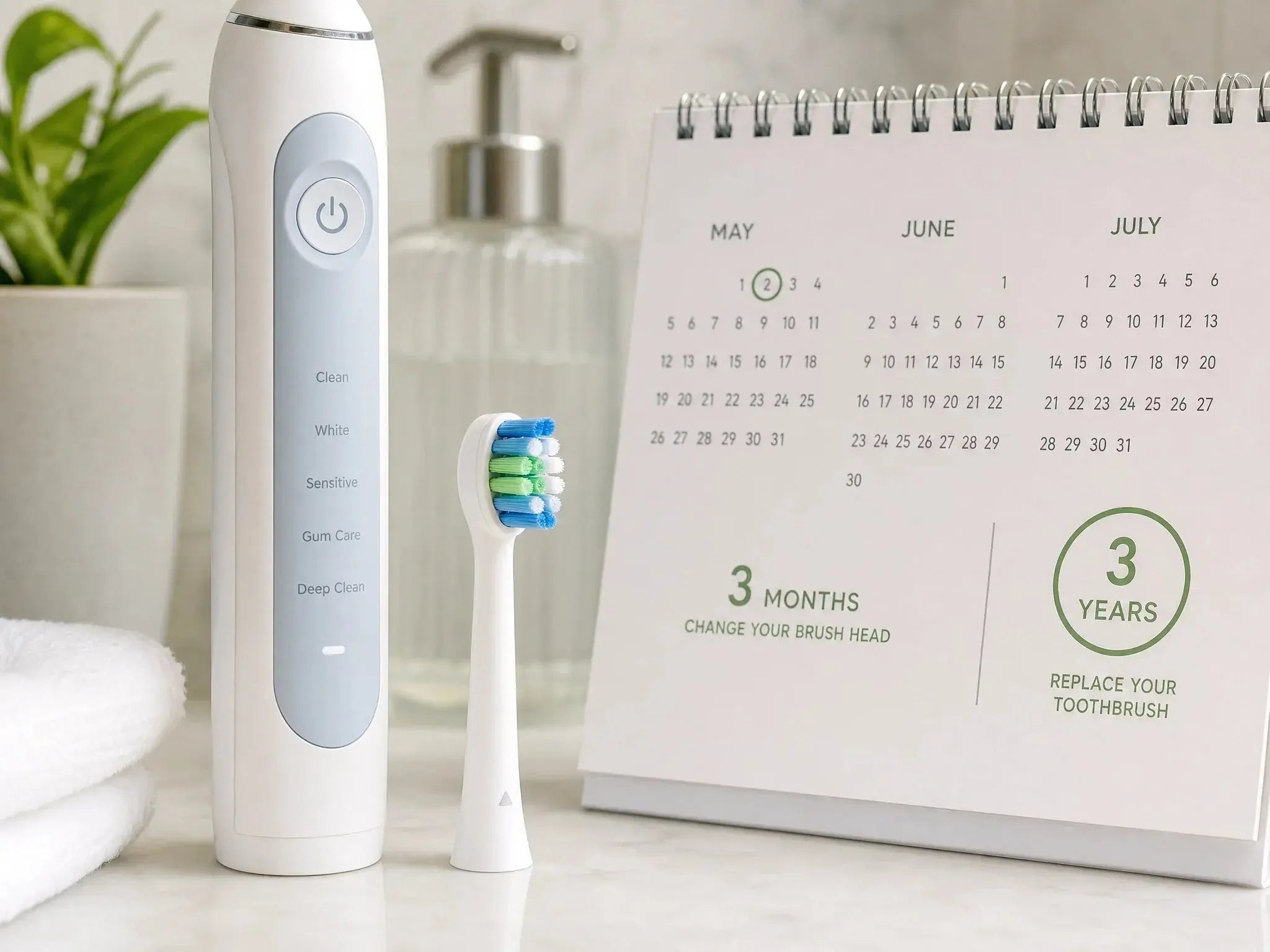
Starting your recycling prep at the right time prevents the device from just sitting in a drawer. Look for these signs.
- Dropping power: Battery dies hours after a full charge.
- Physical damage: Cracked handle casing exposing wires.
- Motor fatigue: Waterproof seal broken and visible mold inside.
- Non-replaceable battery: The battery no longer takes a charge, and the device is sealed.
Proactive Maintenance to Extend Lifespan and Reduce Waste
The most sustainable toothbrush is the one you don’t have to throw away yet.
- Keep the charging contacts free of dried toothpaste gunk; wipe with a damp cloth weekly.
- Store the brush upright in an open holder to let water evaporate, preventing internal corrosion.
- Use light pressure while brushing to reduce strain on the vibrating motor.
- When buying a replacement, pick a sustainable electric toothbrush that is designed to last longer and resist moisture damage. For example, the RANVOO AirJet X5 features Level-0 anti-mold certification and a magnetic wall mount that keeps the brush ventilated and mold-free, while its 22,000 strokes/min low-frequency micro-oscillation protects sensitive gums. Choosing such a durable, gum-friendly model means you’ll replace it less often — reducing waste and keeping your smile healthy.




Leave a comment
This site is protected by hCaptcha and the hCaptcha Privacy Policy and Terms of Service apply.