
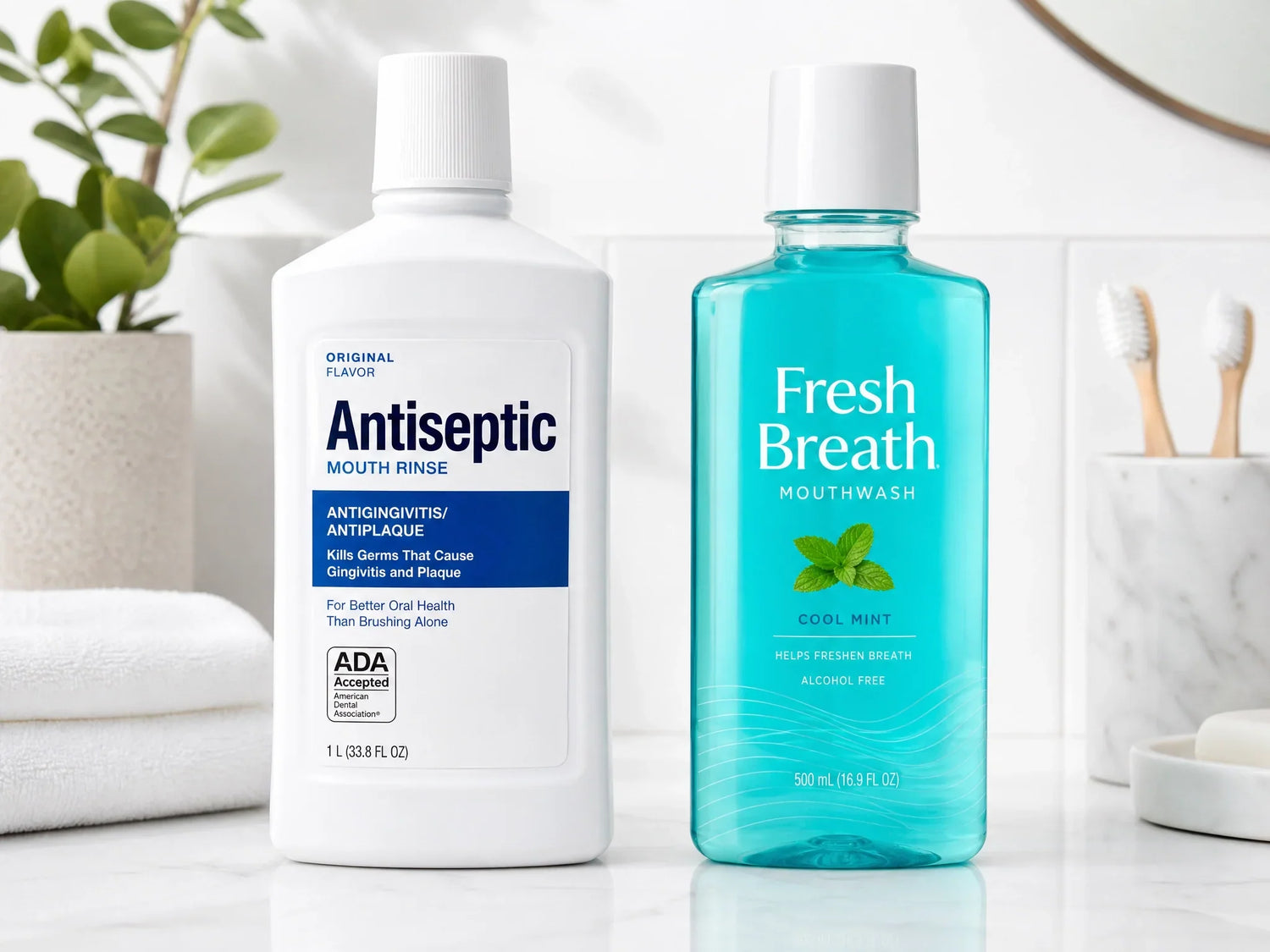
TL;DR: For most people with healthy gums and a solid brushing and flossing routine, mouthwash is a nice extra, not a must-have. But if you’re battling gum disease, severe dry mouth, or a sky-high cavity risk, a therapeutic rinse can become a game-changer. The necessity depends entirely on your mouth, not marketing.
What Exactly is Mouthwash?
Mouthwash, or oral rinse, is a liquid swished around the mouth to freshen breath, reduce bacteria, or deliver active ingredients. It’s not a replacement for mechanical cleaning, but it can play a supporting role. The real question isn’t “Should I use it?” but “Which kind, and for what reason?”
Therapeutic vs. Cosmetic: Two Very Different Bottles
Not all rinses are created equal. The split between therapeutic and cosmetic mouthwash is the single most important distinction in the necessity debate.
| Feature | Therapeutic Mouthwash | Cosmetic Mouthwash |
|---|---|---|
| Purpose | Prevent or control tooth decay, gingivitis, plaque, or dry mouth | Mask bad breath or leave a pleasant taste |
| Active Ingredients | Fluoride, essential oils, cetylpyridinium chloride (CPC), chlorhexidine (prescription) | Flavoring agents, alcohol (as a solvent) |
| Regulation | Regulated as a drug; often carries the ADA Seal of Acceptance | Regulated as a cosmetic; no need to prove clinical efficacy |
| Common Examples | Listerine Antiseptic, ACT Fluoride Rinse, prescription chlorhexidine | Scope, generic blue or green rinses mainly for breath |

Why Brushing and Flossing Remain Non-Negotiable
Mouthwash cannot do the heavy lifting. Toothbrushing and dental floss physically scrape away the sticky film that no liquid can wash off. If oral care were cleaning a muddy floor, brushing is the mop, flossing is the detail brush for the grout, and mouthwash is a gentle spray that might keep some dust from settling — but it won’t remove the caked-on dirt.
The Biofilm Problem: You Can’t “Rinse” Away Plaque
Plaque is a resilient bacterial biofilm. It sticks to teeth with a glue-like extracellular matrix. A liquid rinse simply flows over the surface, unable to break the bond. Only the friction of a toothbrush bristle or floss string can disrupt this structure. That’s why dental professionals call mouthwash an adjunct, never a substitute. You can’t out-swish a sticky film.
For those with sensitive or bleeding gums, even the friction of a harsh toothbrush can cause discomfort. That’s why choosing a gentle yet effective toothbrush—like the RANVOO AirJet X5 with its innovative bubble-cleaning technology—is just as important as the brushing motion itself. The X5’s soft micro-bubbles dislodge plaque without the abrasive scrubbing that can aggravate gums, making it an ideal partner for anyone hesitant to brush due to gum pain.

When Mouthwash Becomes a “Necessity”
For a healthy mouth, skipping the rinse is perfectly fine. But in specific medical scenarios, mouthwash stops being a luxury and starts functioning like medicine.
Prescription Rinses for Active Gum Disease
If you’re diagnosed with gingivitis or periodontitis, your dentist may prescribe a chlorhexidine gluconate mouthwash. This potent antimicrobial is the gold standard for short-term plaque control. A 12-week clinical trial found that adding an essential-oil mouthrinse to brushing reduced gingivitis by 50.8% and bleeding by 71.0% compared to brushing alone [source: JDH study]. However, prescription chlorhexidine is typically used for 1–2 weeks only, as long-term use can cause tooth staining and altered taste. It’s necessary as a temporary therapy, not a lifetime habit.
Managing Severe Dry Mouth (Xerostomia)
People with xerostomia — often from medications, radiation therapy, or Sjögren’s syndrome — lack the protective saliva that naturally cleanses and buffers the teeth. Here, a specially formulated, alcohol-free mouthwash containing xylitol, enzymes, or moisturizers becomes essential to prevent rampant cavities and oral discomfort. It’s not about killing germs; it’s about replacing lost function.
Short-Term Needs: Post-Surgery and Physical Barriers
After a tooth extraction, gum surgery, or if you have a broken arm and can’t brush effectively, a dentist may recommend an antimicrobial rinse as a temporary stand-in for mechanical cleaning. This prevents infection when normal oral hygiene is physically impossible — a clear-cut case of necessity.
How Effective is Standard Mouthwash? Weighing Pros and Cons
Over-the-counter (OTC) therapeutic rinses can move the needle, but they’re no miracle cure.
The Proven Perks: Fresher Breath and Gingivitis Reduction
When used alongside brushing and flossing, quality therapeutic mouthwashes offer measurable benefits: - Gingivitis control: In supervised trials, brushing plus an essential-oil mouthrinse reduced gingivitis by 39–54% and plaque by 18–36% over 12 weeks [source: JDH study and BMC Oral Health trial]. That’s a real boost, especially if your flossing technique isn’t perfect. - Cavity prevention: Fluoride mouthwash can provide an extra layer of protection for people at high caries risk. The American Dental Association recognizes fluoride rinses as proven decay fighters. - Immediate fresh breath: Antimicrobial rinses knock down the odor-causing bacteria that produce volatile sulfur compounds — a quick fix many of us appreciate.
The Hidden Downsides: Alcohol, Staining, and False Security
Caution: Not everything that tingles is treating. Alcohol-based mouthwashes can cause a burning sensation and dry out oral tissues, potentially worsening dry mouth. Chlorhexidine can temporarily stain teeth brown. And the biggest risk? Using mouthwash to cover up chronic halitosis without investigating the root cause — like gum disease, tonsil stones, or acid reflux — can delay proper treatment.
Moreover, some researchers raise a subtle point about the oral microbiome. Daily, long-term use of broad-spectrum antiseptic rinses may also suppress beneficial bacteria involved in nitric oxide production, which helps regulate blood pressure. While not a reason to panic, it’s a reminder that even good things can have trade-offs when used without a clear need.
Where Does Mouthwash Fit in Your Routine?
If you decide to use one, timing matters more than you think.
The Golden Order: Floss, Brush, Then Rinse (At the Right Time)
The NHS advises: “Don’t use mouthwash straight after brushing” [source: NHS guide]. Why? Because you’ll rinse away the concentrated fluoride left on your teeth by toothpaste. The best sequence: 1. Floss first to loosen debris between teeth. 2. Brush thoroughly for two minutes, then spit out the excess foam. 3. Wait at least 30 minutes before rinsing with a mouthwash, or use it at a different time of day (e.g., after lunch).
That way, you get the full benefit of both products.
How to Choose a Mouthwash for Your Specific Goal
Not a one-size-fits-all situation. Match your need to the ingredient:
| Your Goal | Look for This Active Ingredient | Look for the ADA Seal? |
|---|---|---|
| Fight cavities | Fluoride (sodium fluoride) | Yes, strongly recommended |
| Reduce gum inflammation | Essential oils (menthol, thymol, eucalyptol) or CPC | Yes |
| Ease tooth sensitivity | Potassium nitrate or stannous fluoride | Helps, but less common in rinses |
| Whiten teeth | Hydrogen peroxide | Yes, for safety and efficacy |
| Soothe dry mouth | Xylitol, enzymes, glycerin, and no alcohol | Not always, but prioritize moisturizing claims |

The Bottom Line: Is It Necessary for You?
You don’t need a mouthwash just because the bottle looks appealing. Let a handful of simple questions be your guide.
When You Can Safely Skip the Swish
If you check all of these boxes, you’re in the clear: - Your gums don’t bleed when you brush or floss. - Your cavity history is low, and you use fluoride toothpaste daily. - You brush for two minutes twice a day and clean between your teeth consistently. - You don’t suffer from persistent bad breath or dry mouth.
In this case, mouthwash is a cosmetic choice for a minty finish — not a health essential.
When Incorporating a Rinse Makes Sense
Add a therapeutic mouthwash if any of these apply: - Your dentist or hygienist has flagged early gingivitis or inflammation. - You have a high risk of cavities (genetics, sugary diet, braces) and want an extra fluoride shield. - You have xerostomia (dry mouth) and need a hydrating, antibacterial rinse to compensate for missing saliva. - You’re in orthodontic treatment or wearing fixed bridges, where cleaning is trickier. - You crave immediate fresh breath for a social or professional setting — and understand it’s not treating the underlying cause.
Ultimately, the most valuable mouthwash is the one recommended by your dental professional after looking at your unique mouth. No amount of swishing can replace a tailored plan.
So, is mouthwash necessary? For the well-brushed and well-flossed — no. For those fighting specific battles — yes, and it can make a measurable difference. Make your call with your dentist, not a commercial.


Leave a comment
This site is protected by hCaptcha and the hCaptcha Privacy Policy and Terms of Service apply.