










Sticky saliva usually means your spit has less water, more mucus-like protein, or both. The most common triggers are dehydration, medications or medical conditions, mouth breathing or oral health problems, and habits like smoking, vaping, or a dry environment. You can often get quick relief with small sips of water, sugar-free gum, and added moisture. But if sticky saliva lasts more than two weeks or comes with serious symptoms, see a dentist or doctor.
Sticky saliva is a signal, not a disease. If it lasts more than two weeks, or you also have trouble swallowing, trouble breathing, fever, facial swelling, blood, severe dry eyes or mouth, or unexplained weight loss, get prompt medical or dental care.
Why Saliva Turns Sticky
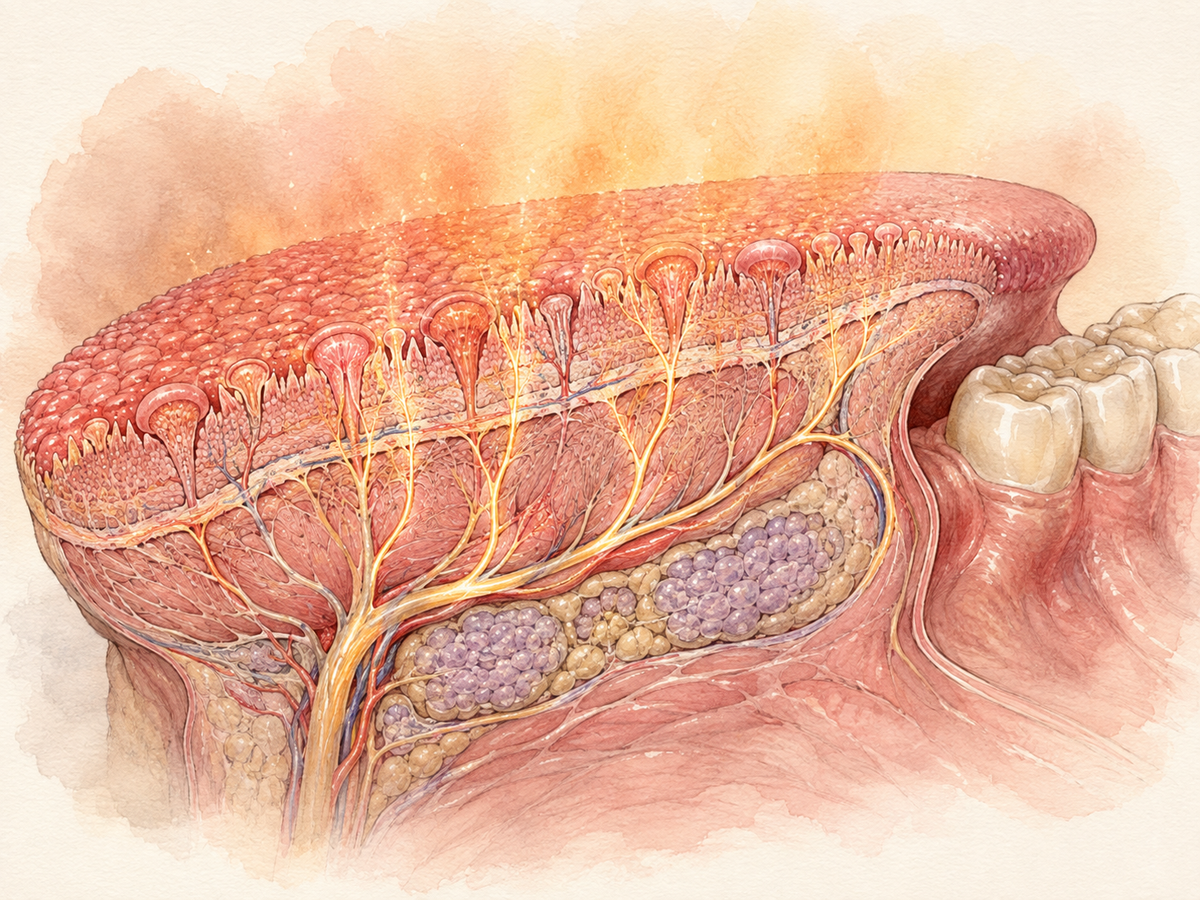
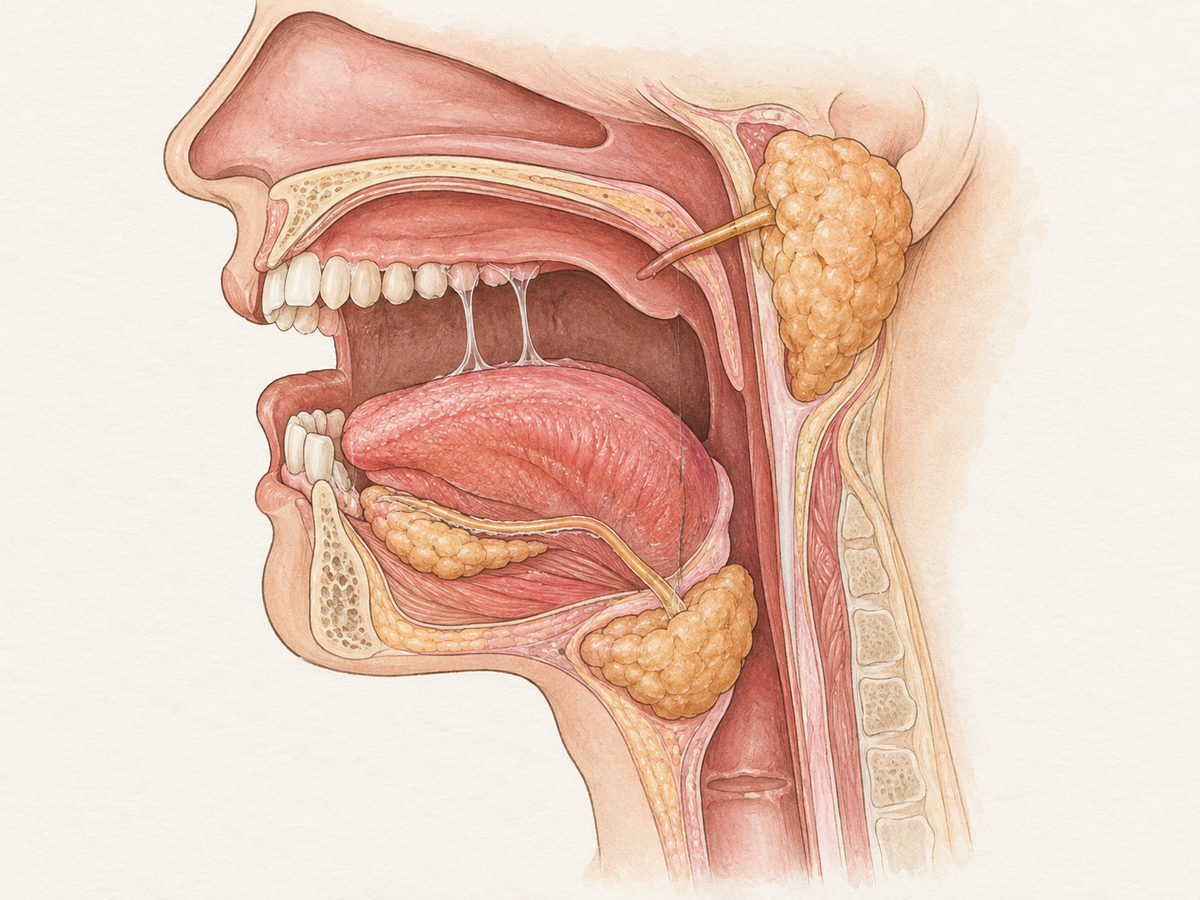
Saliva is mostly water. In fact, it is about 99% water, with a small amount of proteins and minerals mixed in. That water is what makes spit feel thin and slippery.
A protein called mucin acts like a sponge in your spit. It helps saliva hold onto water and keep your mouth moist. When there is less water, or when the mucin changes, saliva can feel thick, stringy, or sticky.
Dry mouth, also called xerostomia, can happen even when your body still makes a normal amount of spit. The problem may be that the spit simply does not hold moisture the way it should. According to a review on salivary MUC5B, changes in this water-holding protein are linked to dry mouth and thicker, less comfortable saliva.
The acidity or alkalinity of your mouth can also change how saliva feels. But the main point is simple: sticky saliva is not a disease by itself. It is a sign that something is changing your body water level, your saliva flow, or your mouth moisture.
Cause 1: Dehydration and Fluid Loss
The most common cause of sticky saliva is not having enough water in your body.
You lose fluid through sweating, fever, vomiting, and diarrhea. You may also lose more fluid if you take diuretics, often called water pills, or if you drink a lot of caffeine or alcohol.
Coffee, tea, soda, energy drinks, beer, wine, and liquor can all reduce body water in some people. They are not a replacement for plain water.
Signs that dehydration may be behind your sticky spit include:
- Dark urine
- Dry or cracked lips
- Feeling very thirsty
- A dry, tacky feeling in the mouth
The easiest fix is steady water intake. Daily water consumption has a direct influence on your body’s secretions, including saliva. Guidance on dry mouth management notes that drinking enough water during the day is a basic step for reducing oral dryness.
You do not need to chug large amounts at once. Small, frequent sips through the day work better.
Cause 2: Medications and Medical Conditions
Many common medicines can make the mouth dry.
Medicines that commonly cause dry mouth include:
- Some antidepressants and anti-anxiety drugs
- Some antihistamines
- Some blood pressure medicines
- Some bladder-control medicines
- Some acid reflux medicines
- Some pain medicines
A systematic review on medication-induced dry mouth found many medication groups can reduce saliva flow or make the mouth feel dry.
Some medical conditions can also change saliva. These include:
- Diabetes, especially when blood sugar is poorly controlled
- Sjögren’s syndrome, an autoimmune condition that dries the eyes and mouth
- Acid reflux
- Anxiety
- Hormone changes, such as those during menopause
Do not stop a prescribed medicine on your own. If you suspect your medication is causing sticky saliva, talk with your doctor or pharmacist first. They may be able to adjust the dose or suggest another option.
Cause 3: Oral Health and Mouth Breathing
Mouth breathing can dry out your spit quickly. It often happens at night with snoring or sleep apnea.
People who use a CPAP machine for sleep apnea may also notice dry mouth. In one survey, nearly half of CPAP users reported dry mouth since starting therapy. The study is available here.
Oral health problems can also show up alongside sticky saliva. These include:
- Gum disease
- Cavities
- Oral thrush, a yeast infection that can cause white patches
Signs that point toward a dental or mouth-breathing cause include:
- Bad breath
- White patches in the mouth
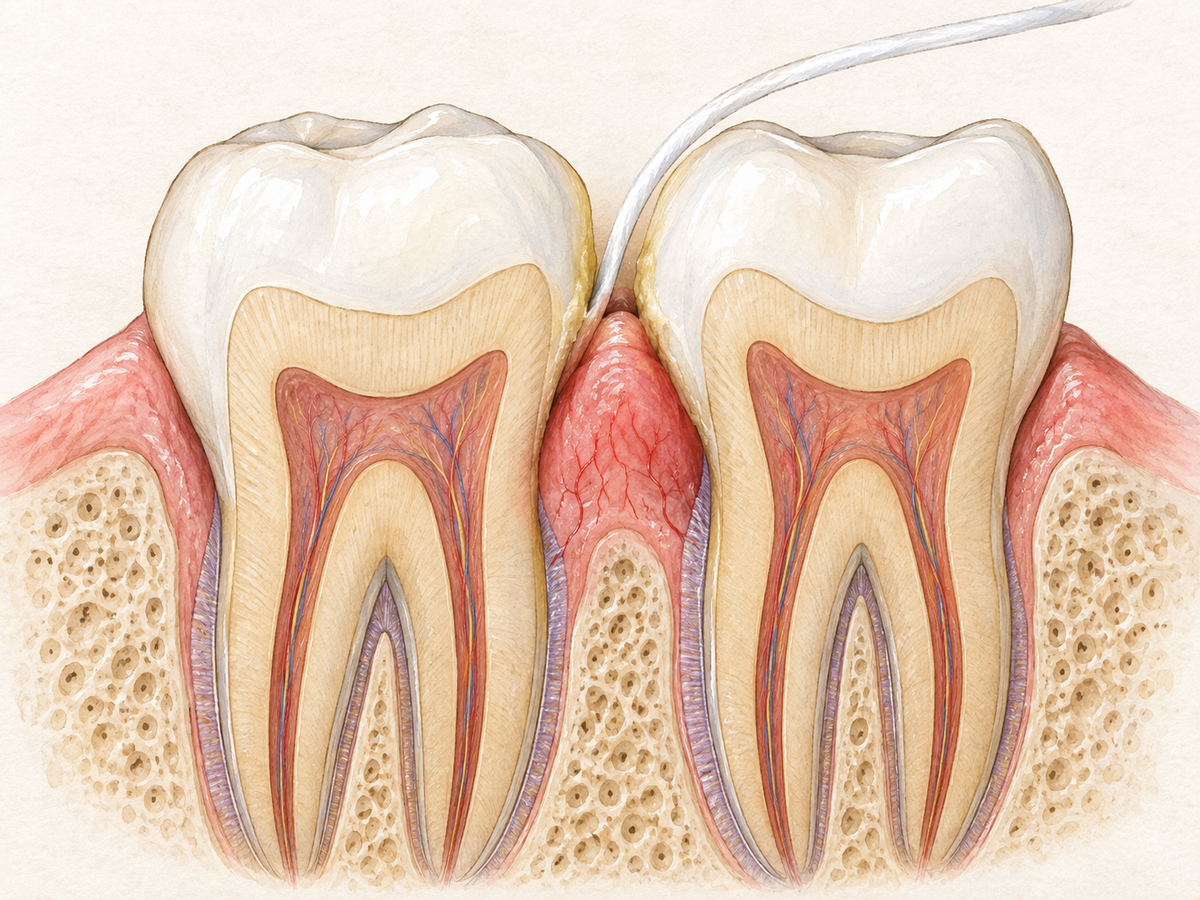
- Bleeding gums when you brush or floss
- A metallic taste
If you have sticky saliva plus any of these signs, see a dentist. Mouth breathing linked to sleep apnea is also connected with dry mouth and a higher risk of tooth decay, according to a review on sleep apnea and oral health.
Cause 4: Diet, Smoking, and Dry Environments
What you eat, breathe, and do every day can affect how sticky your saliva feels.
Things that may make sticky saliva worse include:
- Very salty, spicy, or sugary foods
- Caffeine and alcohol
- Smoking cigarettes or tobacco
- Vaping or using e-cigarettes
- Dry indoor air, especially in winter or heated rooms
- Allergens and dust that make you breathe through your mouth
Smoking and vaping are linked to lower saliva flow, more acidic saliva, and thicker saliva. Research on smoking and saliva found that conventional and electronic cigarettes can both reduce saliva flow and alter its texture. One study is summarized here. A separate pilot study on vaping found vapers had reduced saliva flow and changed saliva consistency.
A dry room can also pull moisture from your mouth. If you wake up with sticky saliva, your bedroom air may be too dry.
Try tracking triggers for a few days. Write down when the sticky feeling is worst and what you ate, drank, or did beforehand. Patterns often show up quickly.
Fast Home Remedies for Sticky Saliva
For quick relief, try these safe steps:
- Sip cool water slowly throughout the day.
- Suck on small ice chips.
- Chew sugar-free gum or use sugar-free lozenges.
- Use a plain saline nose spray if nasal stuffiness is forcing mouth breathing.
- Run a humidifier in your bedroom.
- Try an alcohol-free oral moisturizing gel or spray.
Chewing sugar-free gum can increase saliva flow. A review and meta-analysis found gum chewing had a small but real effect on saliva flow in people with dry mouth.
Avoid these common mistakes:
- Alcohol-based mouthwash, which can dry the mouth
- Frequent lemon juice or acidic DIY rinses, which can wear away tooth enamel
- Frequent baking soda pastes or rinses, which can irritate tissues if overused
Some acidic products may briefly stimulate saliva, but they can damage enamel. Clinical guidance on dry mouth treatments notes that acidic sprays and similar products should be used cautiously because of the risk of enamel erosion.
Daily Habits That Prevent Sticky Saliva
Home remedies help for a few minutes. Daily habits work over days to weeks.
Try these steady habits:
- Drink water on a simple schedule: a glass when you wake up, with each meal, and between meals.
- Limit caffeine and alcohol.
- If you smoke or vape, consider quitting or cutting back.
- Use a humidifier in your bedroom during dry months.
- Breathe through your nose when you can.
- Brush twice a day with fluoride toothpaste and floss once a day.
These steps are recommended in guidance on dry mouth care, which includes avoiding caffeine and alcohol, quitting smoking, taking frequent sips of water, and using sugar-free gum or lozenges.
The most important habit is treating the underlying cause. If your medication is the problem, work with your doctor. If your mouth breathing is the problem, ask about nasal breathing or sleep care. If your gums are inflamed, see a dentist.
Natural Rinses and Moisturizers: What Helps, What to Skip
Some natural options may feel soothing. Others are more likely to irritate or damage your mouth.
| Try gently | Skip |
|---|---|
| Warm saltwater rinse | Lemon juice |
| Aloe vera gel or mouth products | Hydrogen peroxide rinses |
| Glycerin-based oral moisturizers | Strong alcohol-based rinses |
| Coconut oil pulling, if tolerated | Frequent acidic or abrasive DIY pastes |
A warm saltwater rinse is generally safe and can help keep the mouth clean. Glycerin-based products are used as moisturizing agents for dry mouth, according to supportive care guidance.
Coconut oil pulling is sometimes mentioned for dry mouth, but the evidence is limited. A recent guideline noted that a small trial found no difference between oil rinsing and rinsing with water.
Test any new remedy gently. Stop if it causes burning, stinging, or more dryness.
When to See a Doctor or Dentist
Sticky saliva from a hot day or a dry room is usually not serious. But some signs should not be ignored.
See a professional if you have:
- Sticky saliva lasting more than two weeks
- Trouble swallowing
- Trouble breathing
- Fever
- Facial swelling
- Blood in your mouth or spit
- Very dry eyes and a very dry mouth together
- Unexplained weight loss
A dentist is the right first stop for gum problems, cavities, thrush, mouth breathing, or CPAP-related dryness. A doctor is the right choice for possible medication side effects, diabetes, reflux, hormone changes, or a condition like Sjögren’s syndrome.
If you are not sure, start with whoever you can see soonest and tell them your full list of symptoms and medicines. Do not rely on home remedies alone when red flags are present.
This article has been reviewed by an oral health professional for accuracy. It is intended to provide general educational information and should not be used as a substitute for personalized medical advice, diagnosis, or treatment. If you have questions or concerns about your oral health, please consult a dentist, physician, or other qualified healthcare provider.