Adult cheek biting is usually either an automatic habit or the result of a physical trigger, such as a sharp tooth edge or a misaligned bite. Occasional accidental bites are rarely a serious problem. Repeated biting in the same spot, however, can cause painful sores, swelling, and rough white patches. The good news is that most cases can be improved with simple habit changes, a dental exam, or both.
A sore from a known bite that does not heal within about two weeks — or any persistent white or red patch — should be checked by a dentist.
Why Adults Bite Their Cheeks
Cheek biting is exactly what it sounds like: catching or chewing the soft inner cheek lining between the teeth. The clinical name is morsicatio buccarum, which comes from the Latin word for “bite” and describes chronic cheek chewing or irritation. The cheek lining is delicate, so repeated contact with teeth can make it rough or sore.
Most adult cheek biting falls into two groups:
- An automatic habit. You may do it while concentrating, feeling bored, feeling anxious, or even while asleep.
- A physical cause. Something in the mouth makes the cheek more likely to get caught, such as a misaligned bite or a sharp tooth edge.
Neither cause is a personal failure. Many people do this without realizing it, and the habit often starts as a minor annoyance before becoming a repeating pattern. The first step is figuring out which category fits best.
Habit, Stress, or Medical Clue?
Some cheek biting is a body-focused repetitive behavior (BFRB). BFRB is an umbrella term for repetitive actions like cheek chewing, lip biting, nail biting, and teeth grinding. These behaviors are not simply “bad habits.” They can be driven by stress, anxiety, or brain patterns that make them hard to stop. A review of body-focused repetitive behaviors groups cheek chewing and lip biting within this category.
Anxiety and stress can make the urge stronger. You may notice more biting during deadlines, tense conversations, or long periods of focus.
ADHD is another possible factor. Adults with ADHD may be more likely to clench or grind their teeth, and bruxism is tied to stress and anxiety. A systematic review found that people with ADHD were about two times more likely to have bruxism than people without ADHD. The review is available here. This does not mean ADHD causes cheek biting, but the conditions can overlap.
Sleep-related grinding, called sleep bruxism, can also cause cheek biting at night. You might wake with a sore cheek, a tired jaw, or a slightly scalloped tongue without remembering biting yourself.
Rather than trying to self-diagnose, track the pattern for a week or two. Write down:
- When it happens
- What you were doing
- How you felt
- Which side of the mouth is affected
If the biting happens in the same spot regardless of your mood or focus, it may be more physical. If it flares with stress or boredom, it may be more behavioral. This information helps a dentist or therapist give you better guidance.
What Repeated Biting Does to Your Mouth
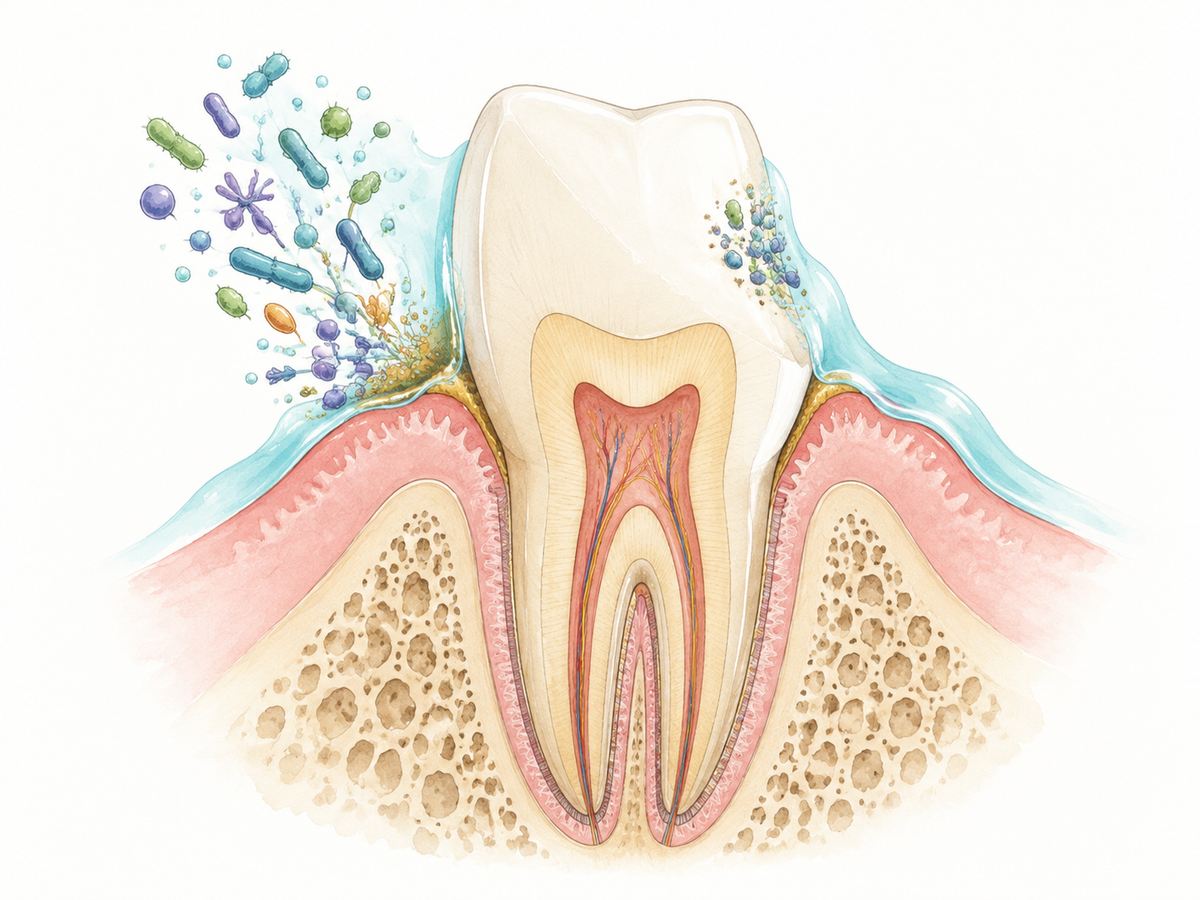
An occasional accidental bite may cause a small, painful sore called a traumatic ulcer. This usually heals on its own within several days. The trouble starts when the same area is bitten again and again.
Repeated cheek biting can lead to:
- Painful sores or shallow open areas
- Swelling and tenderness
- Bleeding at the bite site
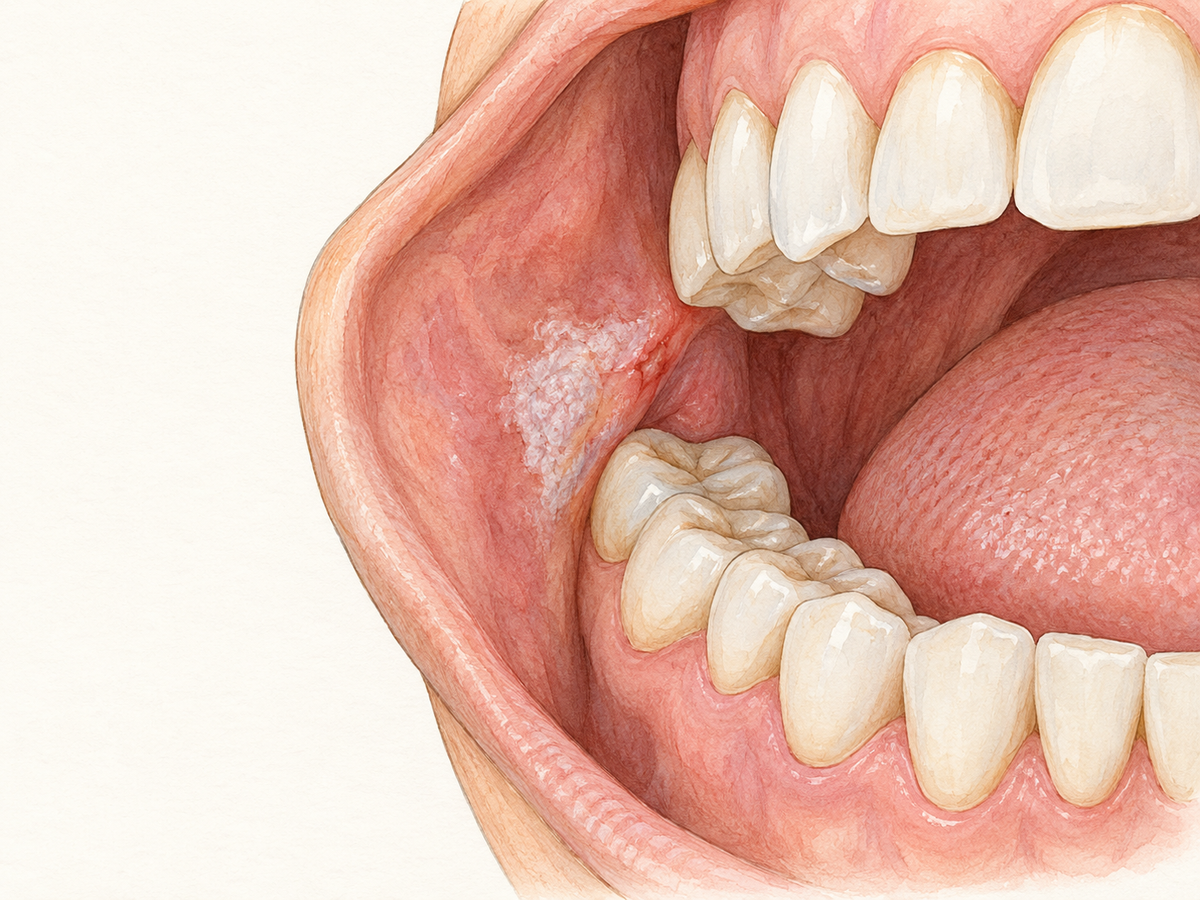
- Rough, thickened, or peeling white patches
- Scar tissue over time
- Ongoing irritation that never fully settles
These changes often appear on the inner cheek along the line where the teeth meet. The rough white change from chronic biting is sometimes called frictional keratosis. In most cases, this type of frictional change has not been shown to turn into cancer. However, if the irritant is removed, the area should improve. An updated review of oral white lesions explains that if it does not resolve within two weeks after the cause is removed, a biopsy may be needed.
Persistent white patches or a sore that does not heal are reasons to see a dentist rather than relying only on home care.
How to Stop the Habit at Home
If the pattern seems behavioral, start with awareness. You cannot change a habit you do on autopilot until you notice it.
Try these steps:
- Track triggers for a week. Use a phone note or small notebook. Write the time, place, mood, and what set off the urge.
- Notice the early urge. Pay attention to the moment just before your teeth close on your cheek. That pause is the key to changing the habit.
- Choose a harmless replacement. When you feel the urge, rest your tongue gently on the roof of your mouth, take a slow sip of water, or let your jaw soften so your teeth part slightly.
- Lower daily stress. A few minutes of slow breathing, a walk, or progressive muscle relaxation may reduce the urge. A randomized trial found that sleep hygiene and progressive muscle relaxation reduced sleep bruxism episodes and were safe to use. The study is available here.
- Keep lips and inner cheeks moist. Dryness or rough spots can make you notice the area more. Drink water consistently, and use a simple lip balm if your lips are dry.
- If biting happens at night, ask about a mouth guard. A dentist can fit a guard that keeps teeth from catching the cheeks while you sleep. A case report on an oral appliance showed improvement in cheek biting when the appliance was used.
Habit reversal is a method that teaches you to notice the urge and swap it for a harmless action. It has been used for biting, chewing, or licking of the lips, cheeks, tongue, or palate. A classic clinical study describes this approach. Progress is usually gradual. Having a slip does not mean you failed; it means the habit is still learning to fade.
Fix the Physical Triggers
Sometimes the cheek is not the main problem; the teeth or bite are. Physical triggers include:
- A sharp or broken tooth edge
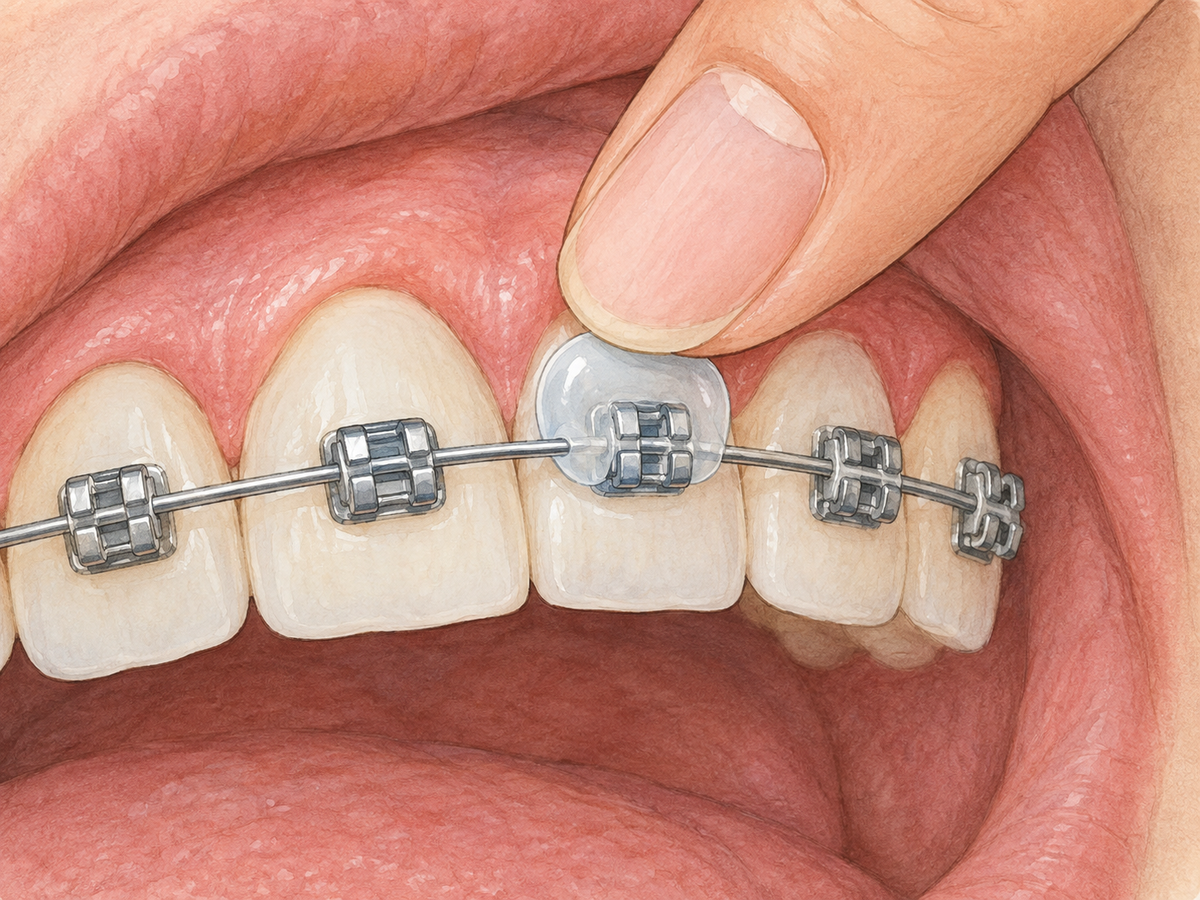
- A filling or crown that sticks out slightly
- A misaligned bite, also called malocclusion
- Missing teeth that change how your bite comes together
- Dentures or other appliances that rub or fit poorly
- New dental work that changes how your teeth meet
If you bite the same spot over and over, or the problem started right after a dental change, a dental exam is the most direct next step. A dentist can look at how your teeth and cheeks meet, check the bite, and find the exact edge or contact point causing trouble.
Do not try to file down a sharp tooth or adjust a denture yourself. That can create a bigger problem or damage healthy tooth structure. A dentist can make a small bite adjustment, smooth a rough edge, adjust an appliance, or discuss orthodontics if the bite itself needs correction.
When to See a Dentist or Doctor
Most occasional bites do not need a visit. But some signs should be checked.
See a dentist if you have:
- A sore from a bite that does not heal within about two weeks
- A white or red patch that does not go away
- Repeated bleeding from the same spot
- Severe pain or trouble eating
- Swelling, warmth, pus, or fever, which can be signs of infection
- An unexplained mouth ulcer that lasts more than three weeks
Clinical guidance on oral mucosal disease recommends prompt referral for unexplained oral ulceration lasting more than three weeks and for persistent red or red-and-white patches.
A dentist is the right first stop for anything inside the mouth. If anxiety, ADHD, repetitive body habits, or sleep problems are the main driver, a doctor or mental health professional can help. You do not need to figure out the exact cause alone. An early evaluation is often quick and can rule out more serious conditions.
Treatment Options That Work
There is no single cure for everyone. The best plan depends on whether the cause is mechanical, behavioral, or both.
| Cause | Common options | Who can help |
|---|---|---|
| Sharp tooth, filling, or bite issue | Smooth or adjust the tooth, fix an appliance, orthodontics | Dentist or orthodontist |
| Sleep-related grinding or biting | Night guard, sleep hygiene, stress management | Dentist, sometimes a sleep or medical provider |
| Automatic habit or stress response | Habit reversal training, cognitive behavioral therapy, stress reduction | Therapist or trained counselor |
| Underlying anxiety or ADHD | Treating the underlying condition | Doctor or mental health professional |
Habit reversal training has been studied for self-destructive oral habits, including biting or chewing the lips, cheeks, tongue, or palate. The research is available here. Cognitive behavioral therapy (CBT) may also help when stress or sleep bruxism is involved. A trial comparing CBT with an occlusal appliance in sleep bruxism supports that approach.
In one case involving chronic cheek biting, a soft oral appliance improved the area, but the habit returned when the appliance was not used. The report noted that cognitive behavioral therapy may be needed for the underlying repetitive behavior. The case report is available here. This is a good example of why mechanical and behavioral approaches sometimes need to be combined.
Your dentist may also suggest a night guard if nighttime grinding is causing the damage. A dental guard does not cure the habit, but it can protect the cheek and reduce ongoing injury while you work on other triggers.
Preventing Relapses and Protecting Your Mouth
Once the biting improves, the goal is to keep it from coming back. Helpful habits include:
- Keep routine dental visits. Your dentist can spot new sharp edges, worn fillings, or bite changes early.
- Manage stress in a way that works for you. Even short daily walks, breathing exercises, or improved sleep can help.
- Use prescribed mouth guards or appliances as directed. If your guard feels uncomfortable, return to the dentist for an adjustment rather than stopping it silently.
- Track triggers again if the habit returns. A simple note of when and where it restarts can help you act quickly.
- Check the bite after any new dental work. If something feels high or sharp, call the office.
Protecting your cheeks also protects the teeth and jaw from the extra force of grinding and clenching. For some people, reducing nighttime biting may support better sleep quality and less morning jaw soreness. If the habit returns, do not wait until you have a painful sore. Go back to your trigger notes and make an appointment early.
This article has been reviewed by an oral health professional for accuracy. It is intended to provide general educational information and should not be used as a substitute for personalized medical advice, diagnosis, or treatment. If you have questions or concerns about your oral health, please consult a dentist, physician, or other qualified healthcare provider.