











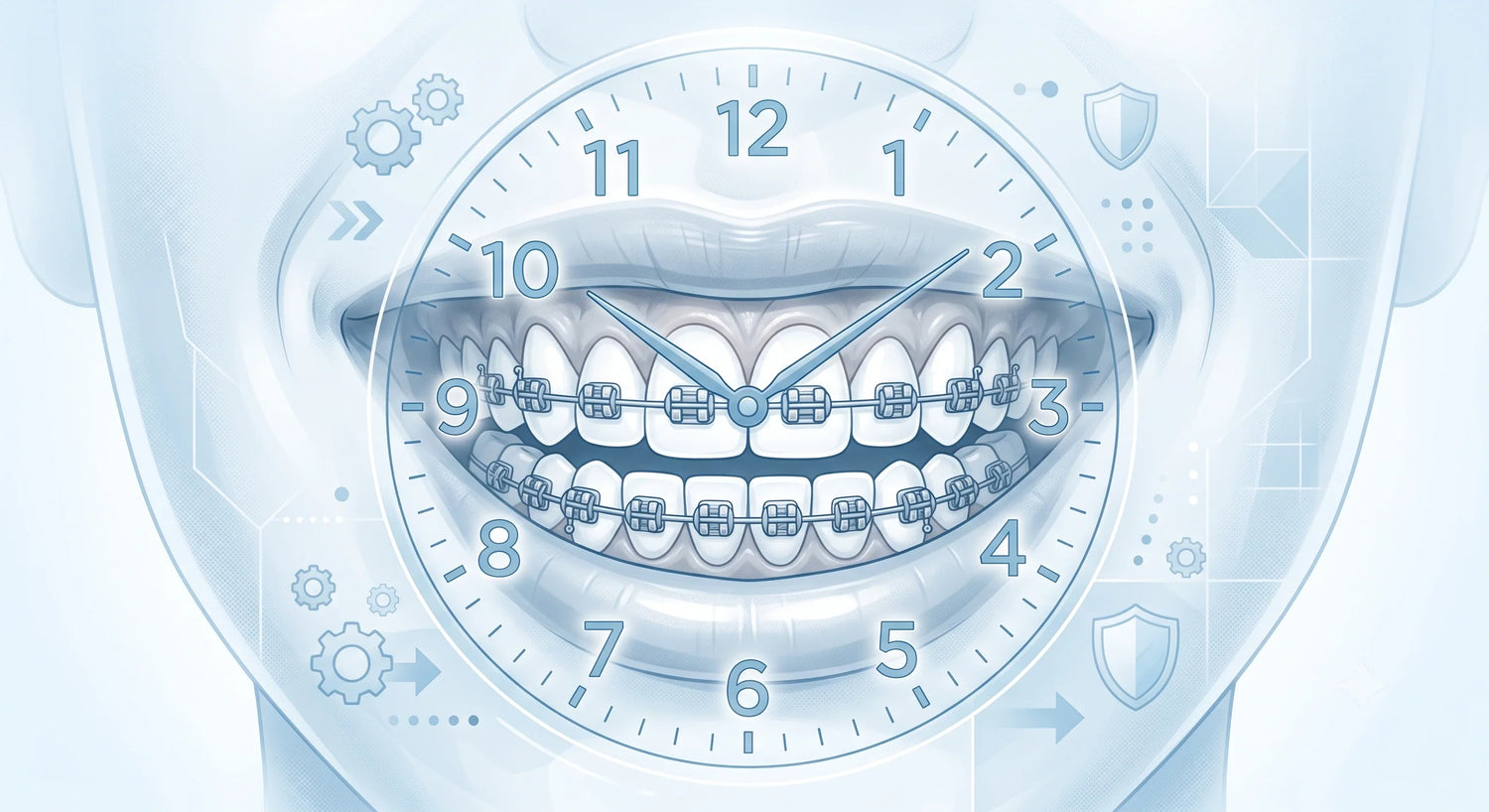
Most people wear braces for 12 to 24 months, but complex cases can extend to 36 months or more. Your orthodontist will give you a personalized estimate—and how well you follow instructions can make the biggest difference.
It’s the question everyone asks before they even sit in the exam chair: How long will I be in braces? The honest answer is both reassuring and a little open-ended. The typical range is well understood, but your own timeline depends on a handful of factors you can actually influence. Knowing them turns an anxious wait into a plan you can follow step by step.

The Typical Timeline (And Why It’s Not One-Size-Fits-All)
If you look at large-scale averages, the numbers are consistent. The American Association of Orthodontists (AAO) notes that comprehensive treatment usually falls between 18 and 30 months, with most people finishing somewhere in the middle. A systematic review and meta-analysis put the average duration with fixed braces at about 24.9 months.
But “average” hides a lot of variation. A mild crowding case might be done in less than a year, while complex bite alignment or surgical cases can take three years or longer. The key takeaway? Your orthodontist will be able to map your personal timeline after a thorough exam—and you have more control over that timeline than you might think.
What Really Controls How Long Braces Take
The clock starts ticking the day braces go on, but several dials speed it up or slow it down. Understanding them removes the guesswork.
The Complexity of Your Bite
The biggest variable is the type and severity of the malocclusion. Simple crowding or small gaps resolve faster than a deep overbite, underbite, crossbite, or open bite. If teeth need to be extracted to create space, treatment tends to lengthen as well. A systematic review of factors affecting treatment time confirmed that extraction cases consistently take longer than non-extraction ones, partly because closing extraction spaces requires additional months.
Age: The Surprising Truth
A common belief is that teens sail through treatment while adults take forever. The data say otherwise. A meta-analysis of 11 studies found no statistically significant difference in overall treatment duration between adolescents and adults when using fixed appliances. The one exception? Certain complex tooth movements, like bringing a displaced canine into the arch, took about 3.8 months longer in adults. For most people, age alone won’t define the finish line.
The Factor You Control Most: Compliance
This is where you become the hero of your own smile story. Patient compliance—wearing rubber bands exactly as prescribed, keeping adjustment appointments, avoiding broken brackets—directly dictates whether treatment hits the estimated date or slides months past it. Skipping elastics even a few hours a day can stall bite correction dramatically. Think of it this way: your orthodontist designs the route, but you’re the one behind the wheel.
How Different Brace Types Affect the Timeline
Not all appliances move teeth at the same pace, and the choice between braces and aligners often comes with timing trade-offs.

-
Traditional metal braces remain the workhorse for complex cases. Their robust mechanics often make them the fastest option when major bite correction is needed, with typical durations between 18 and 24 months.
-
Ceramic braces work identically to metal ones but can generate slightly more friction, which may add a small amount of time—though for most patients the difference is negligible.
-
Lingual braces (fitted behind the teeth) are highly customized and require weeks of adjustment for the tongue. Treatment can take longer, especially in the beginning, as the orthodontist and patient work through the learning curve.
- Clear aligners (like Invisalign) are often marketed as faster, but research doesn’t fully back that claim for all cases. A large systematic review found no significant difference in treatment duration between aligners and fixed braces, though mild to moderate alignment issues can sometimes finish in 12–18 months if aligners are worn 20–22 hours daily. Severe rotations or bite problems, however, still typically respond more predictably to braces.
Ultimately, the “best” choice for speed is the one you’ll stick with.
How to Keep Your Treatment on Track
Think of these as the non-negotiable rules that prevent delays and protect your smile at the same time.
-
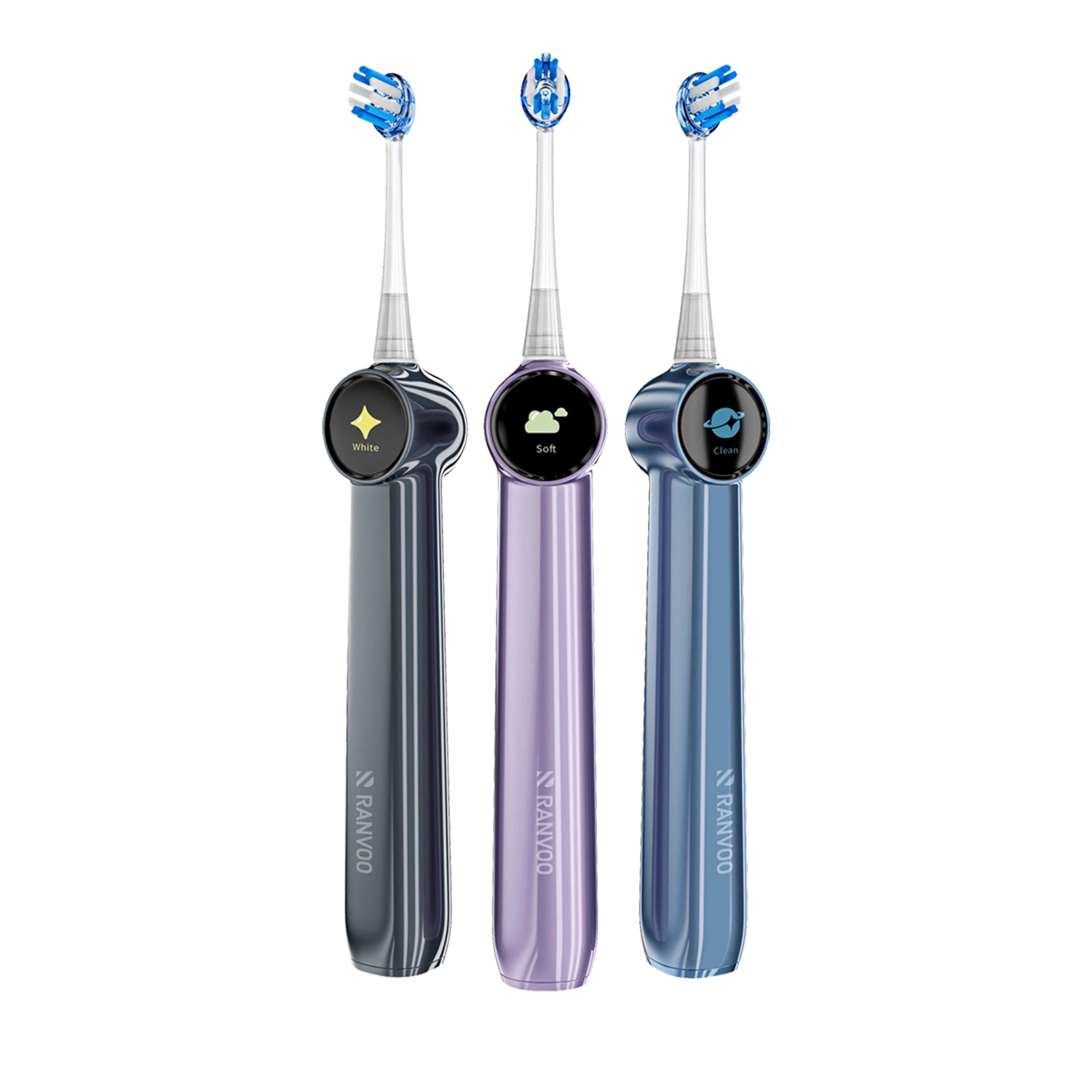
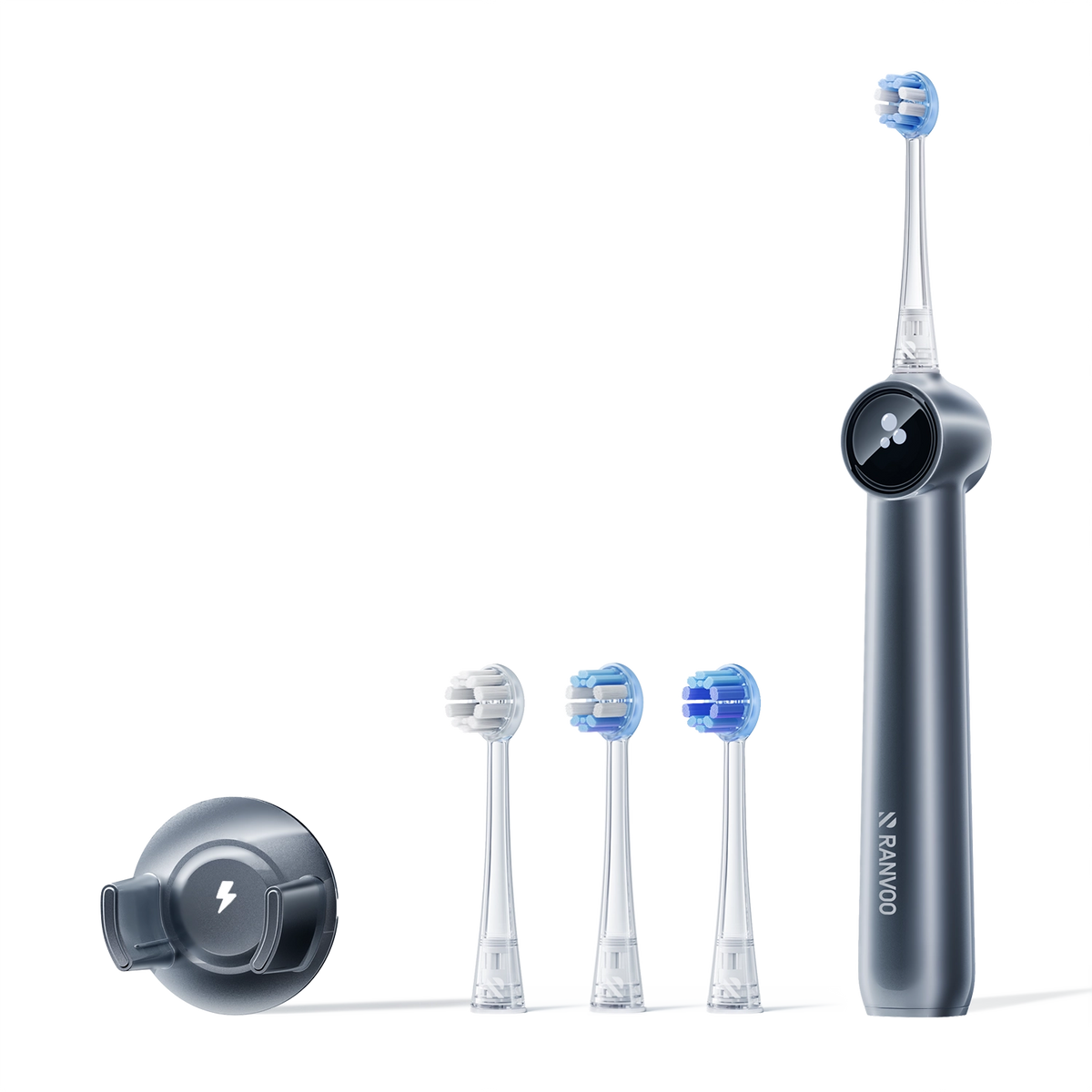
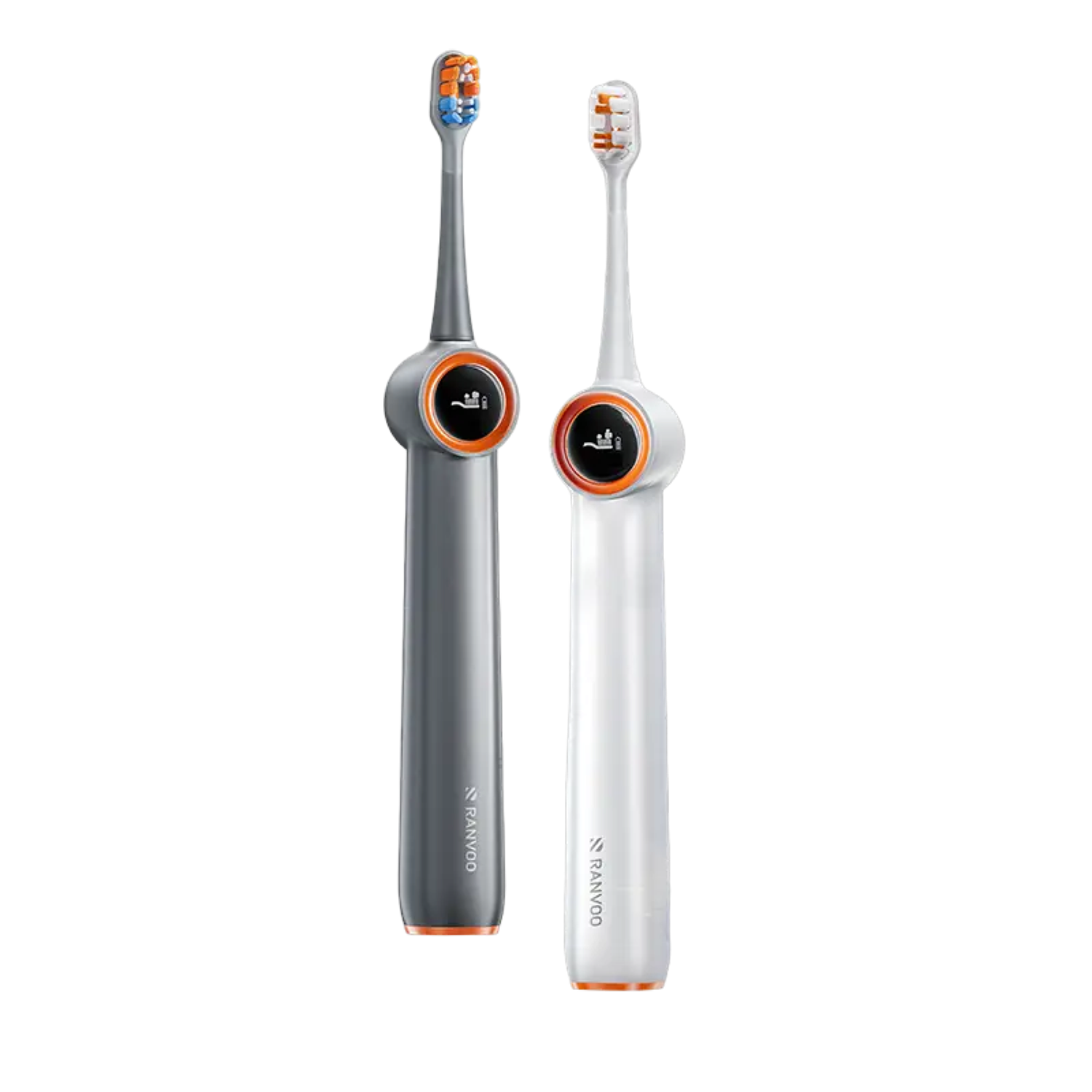
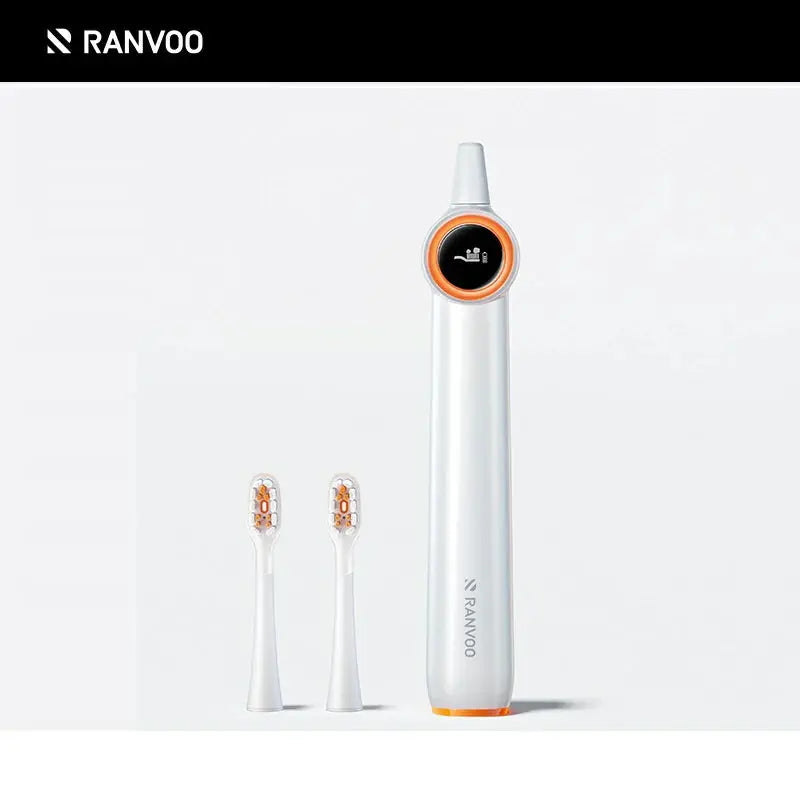
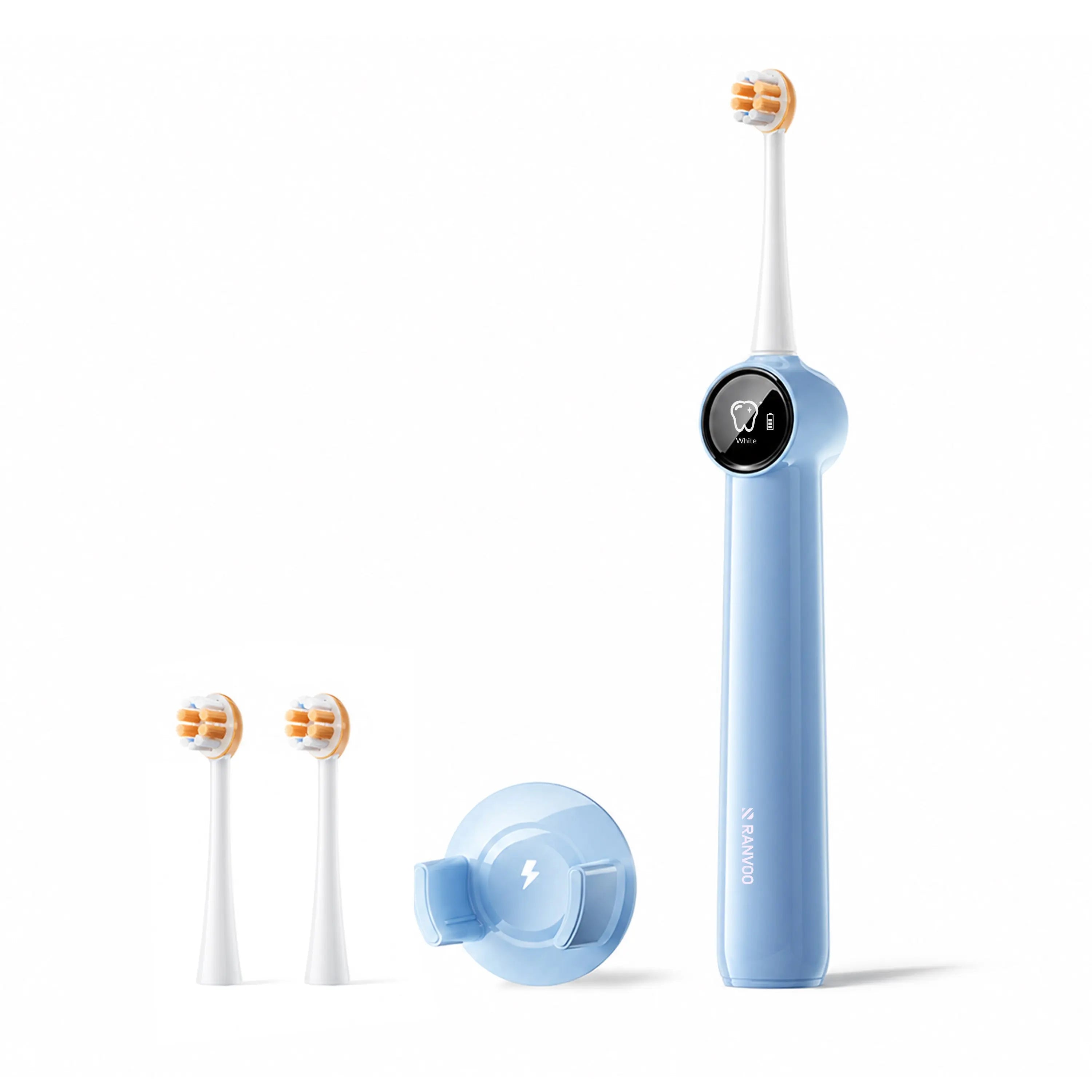
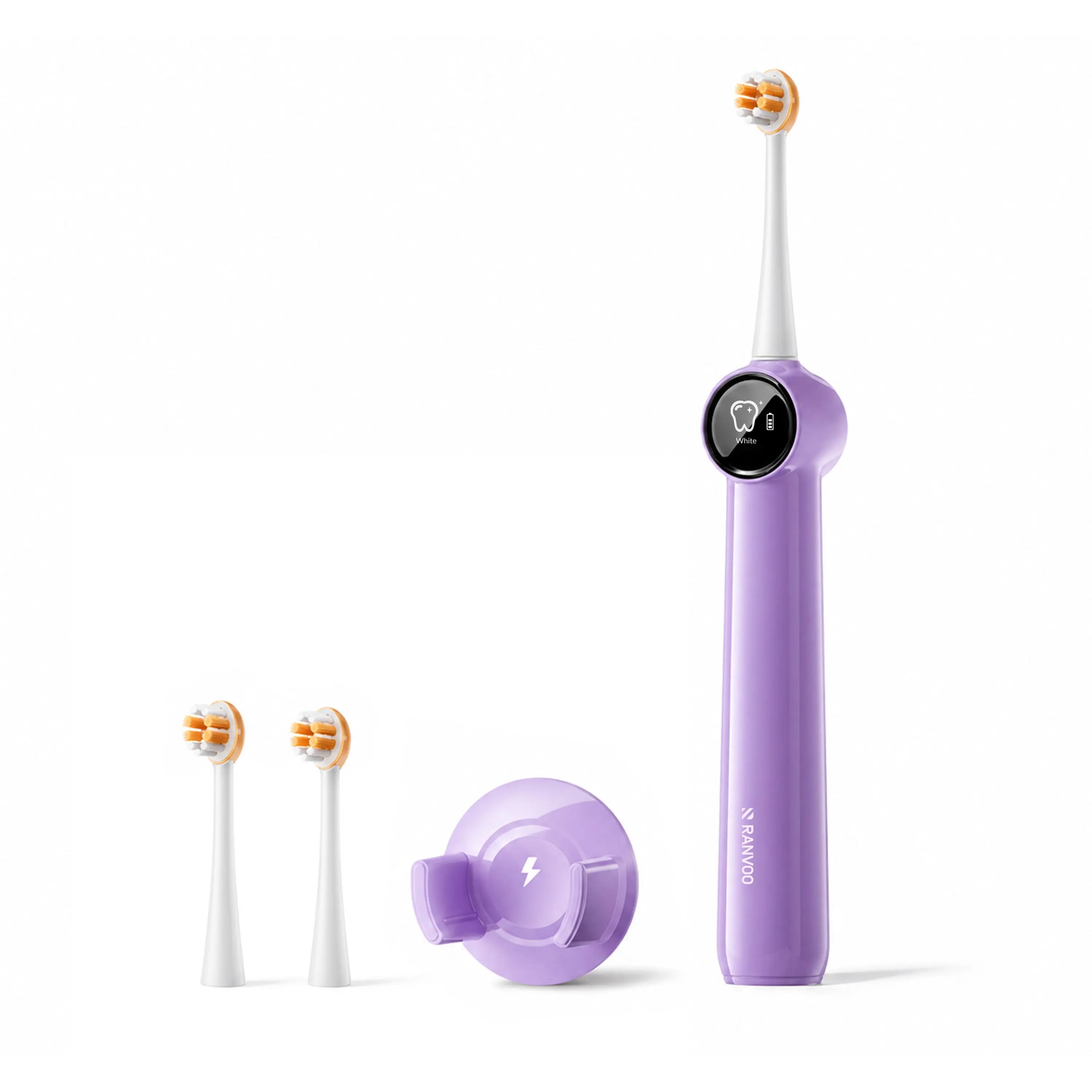
Master oral hygiene from day one. Plaque buildup around brackets can lead to decalcification (white spots), cavities, or swollen gums. Those problems can force your orthodontist to hit pause on adjustments—or even remove braces early to fix decay. Because thorough brushing is so critical, many orthodontic patients find an electric toothbrush helps them maintain better hygiene during treatment. A sonic electric toothbrush, with its fluid dynamics, can reach around brackets and wires more effectively than a manual brush.
-
Avoid hard and sticky foods. Popcorn kernels, caramel, nuts, and ice are famous bracket-breakers. Every broken bracket requires an emergency visit and extends treatment time, sometimes by weeks.
-
Never skip an adjustment. Appointments every 4–8 weeks aren’t just check-ins; they’re when the orthodontist advances your wires, changes elastics, or assesses progress. Missed appointments let teeth stall or drift backward.
- Wear your elastics faithfully. If your treatment plan includes rubber bands, treat them like a prescription—full-time wear, changed as directed. Inconsistent use is the #1 reason bite correction drags on.
These habits may sound basic, but they collectively determine whether you finish on schedule or watch the months pile up.
The Retention Phase (Don’t Forget This Part)
It’s easy to think you’re done the moment braces come off. In reality, a new—and permanent—phase begins: retention. Teeth have a memory, and they’ll try to shift back if nothing holds them in place. Retainers are the insurance policy on your investment.
Full-time retainer wear (20–22 hours a day) often lasts for the first few months to a year. After that, most people transition to wearing retainers only at night. But here’s the part nobody tells you: lifelong part-time wear is recommended. Whether it’s a removable plate or a bonded retainer cemented behind the front teeth, some form of nightly use keeps your smile stable for decades.
So when you ask, “How long do braces take?”, the truest answer includes this quiet second chapter. Active braces may finish in 18 months, but the commitment to a lasting smile is ongoing—and entirely worth it.
This article has been reviewed by an oral health professional for accuracy. It is intended to provide general educational information and should not be used as a substitute for personalized medical advice, diagnosis, or treatment. If you have questions or concerns about your oral health, please consult a dentist, physician, or other qualified healthcare provider.