

















TL;DR: Plaque is the soft, sticky film you can brush away. Tartar is the hardened fortress it becomes when you don't. Knowing which one you're looking at — and what to do about it — puts you back in control of your dental health before bleeding gums or that rough feeling on your teeth ever becomes a real problem.
That rough, almost gritty texture you feel when you run your tongue along your lower front teeth? Or maybe you've noticed a yellowish buildup that refuses to go away no matter how hard you brush. These moments spark a quiet worry — one that many people push aside. You've probably heard the words plaque and tartar used like they mean the same thing. They don't. And that small misunderstanding is exactly what lets a preventable problem turn into permanent damage.
This article strips away the dental jargon and gives you the straight facts. You'll learn exactly what separates plaque from tartar, how the shift happens, and the simple daily moves that stop the process before it starts.

Plaque: The Invisible, Sticky Start
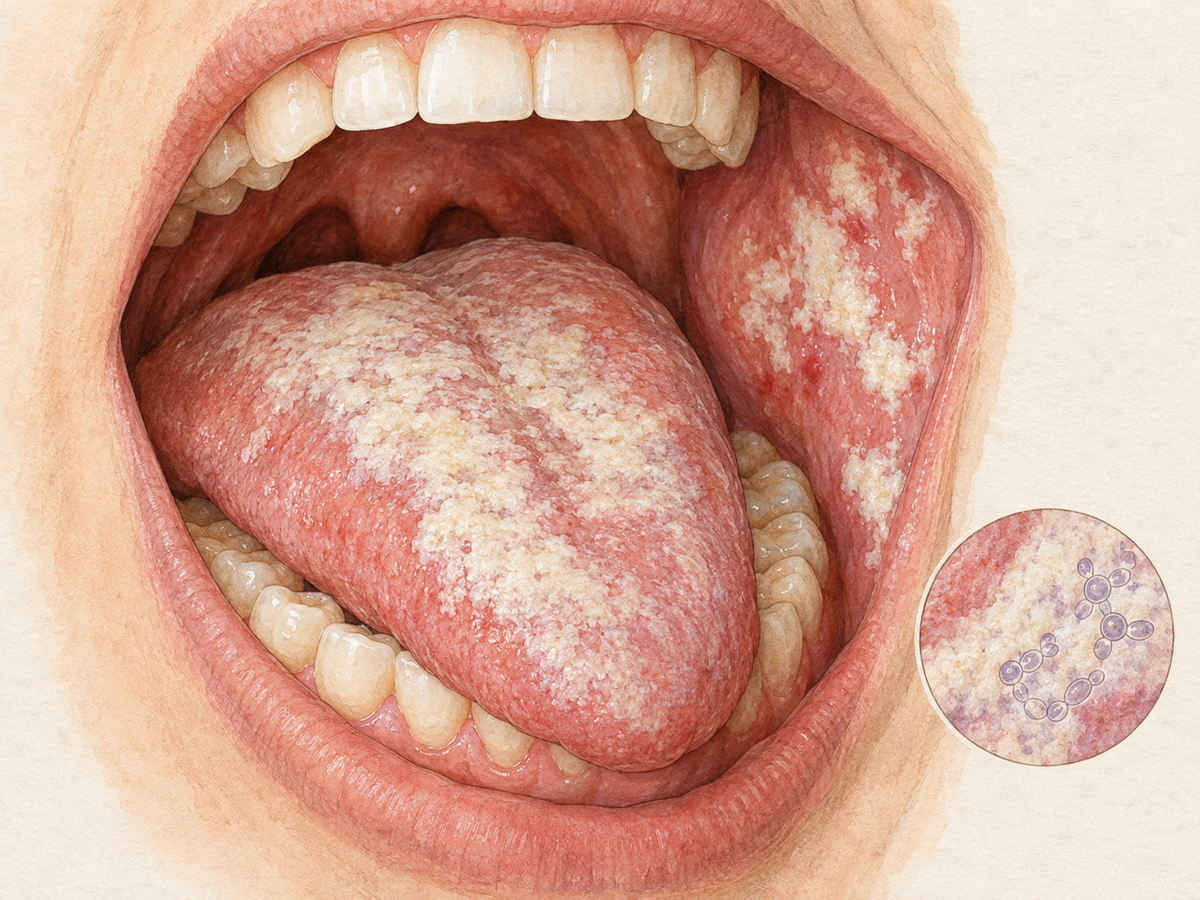
Dental plaque is a colorless, sticky film of bacteria that forms constantly on your teeth after you eat or drink anything. It's not just food residue — it's a living, organized community of microbes. Scientists call this a biofilm, where bacteria cluster together and produce a protective slime layer that lets them stick to enamel.
This is what creates that "fuzzy" feeling on your teeth by the end of the day. And here's what makes plaque deceptively dangerous: because it's soft and essentially invisible, you won't always know it's there. The bacteria, predominantly including Streptococcus mutans, feed on dietary sugars and release acids that attack your enamel. Meanwhile, other bacterial byproducts irritate your gum tissue.
Think of plaque as a silent, ongoing bacterial party on your teeth. Every meal and snack sends out a fresh invitation. The good news is that you're the host — and you can shut it down completely. Daily mechanical disruption with a toothbrush and floss wipes the slate clean.
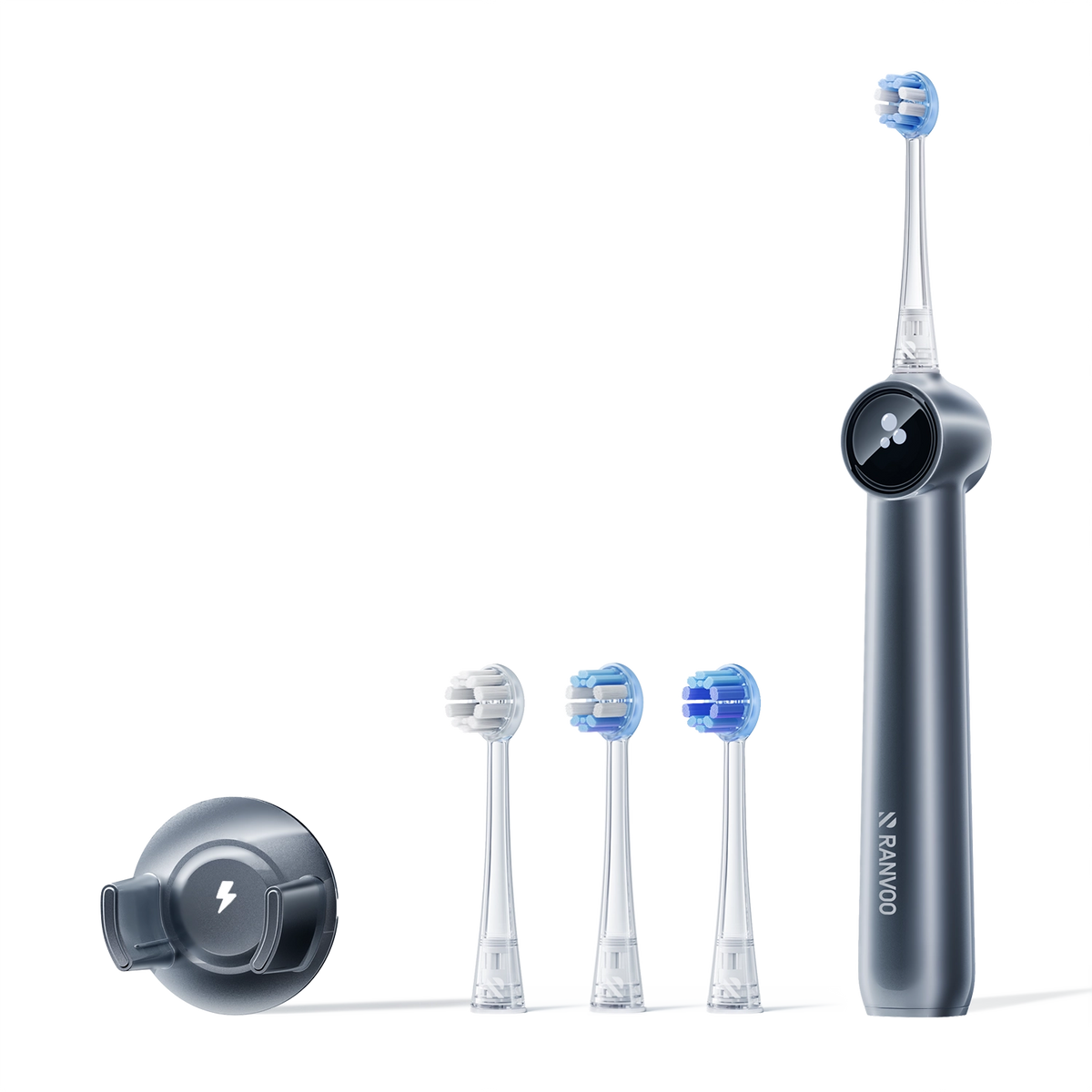
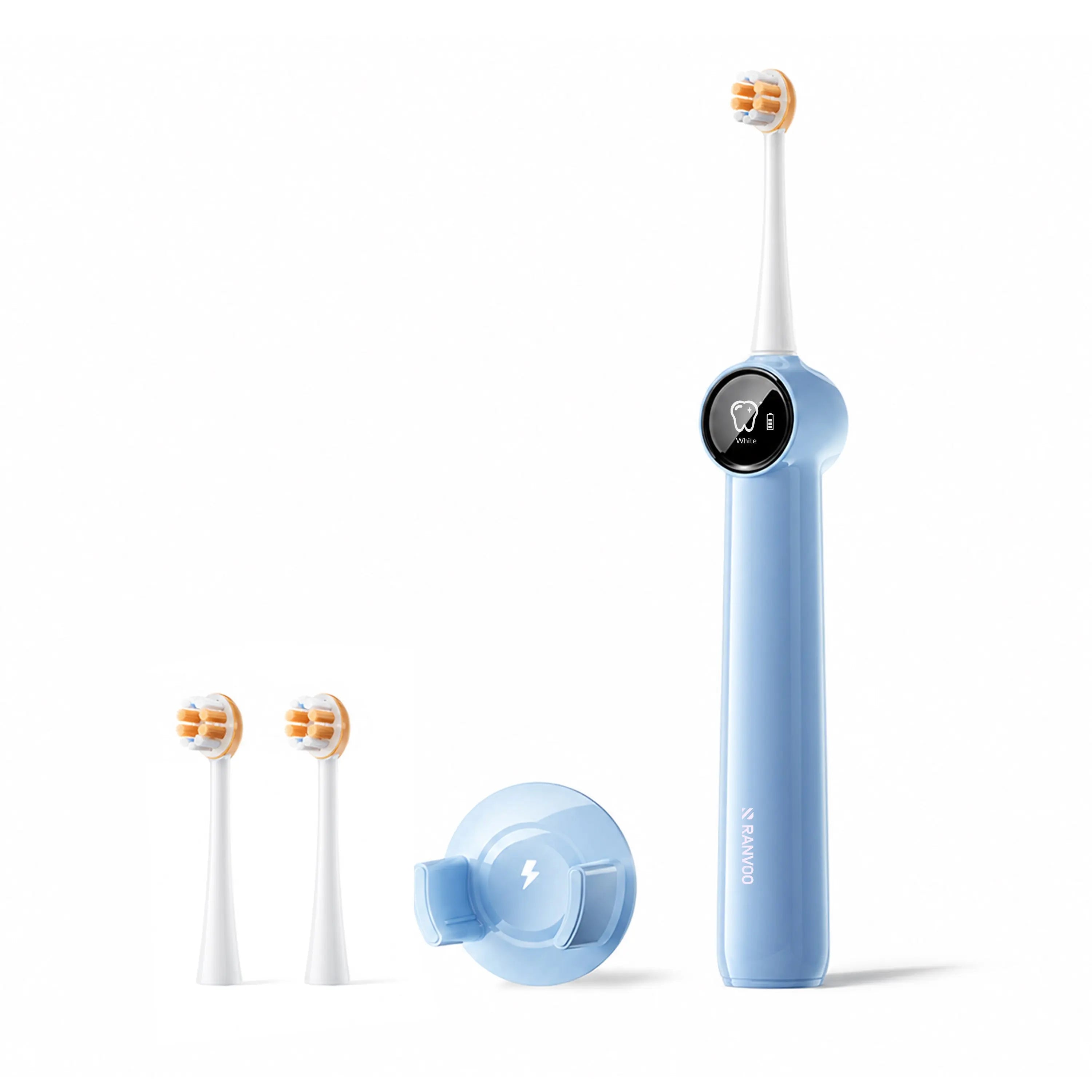
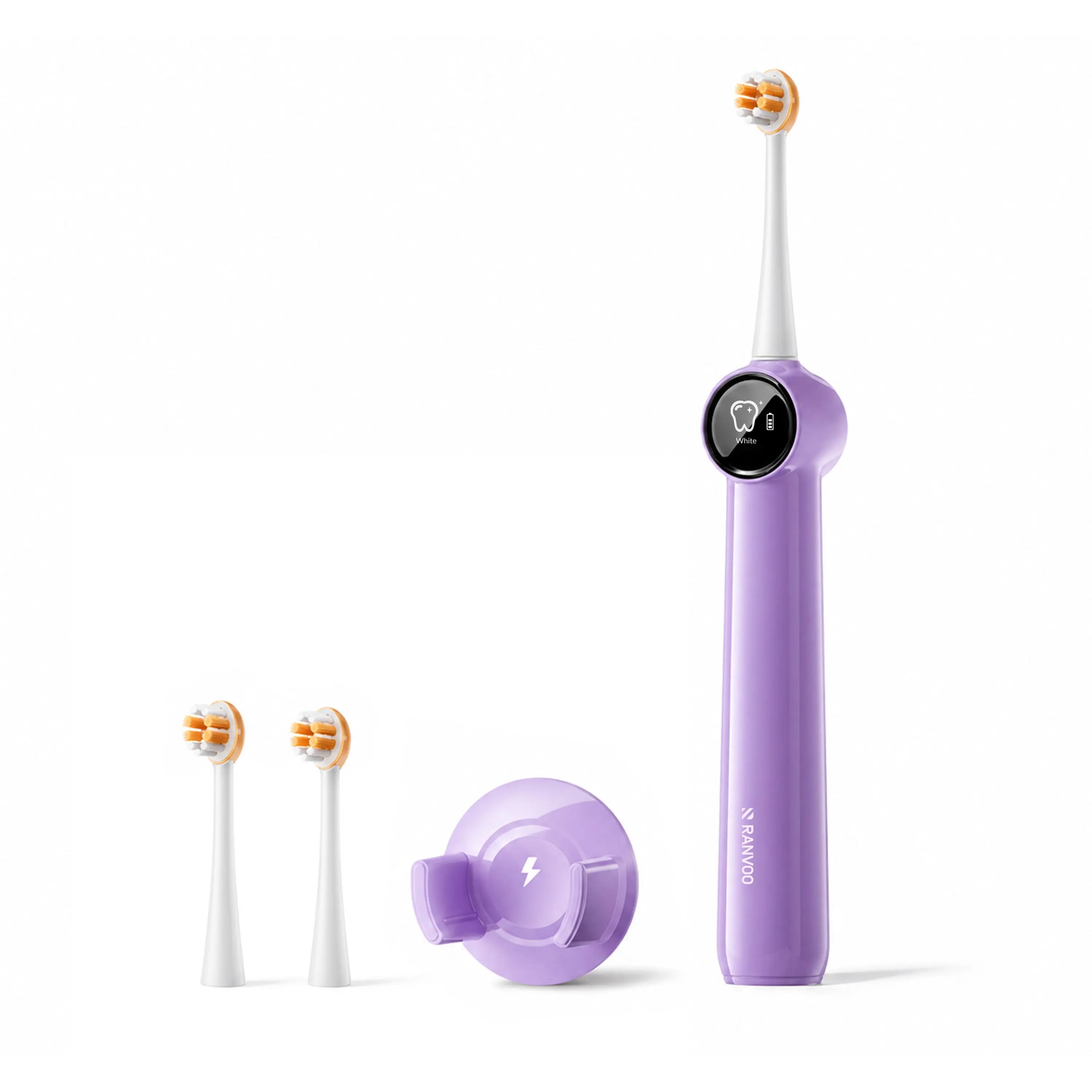
An electric toothbrush makes this mechanical removal significantly more effective. The consistent, high-frequency bristle movements disrupt the biofilm layer more thoroughly than manual brushing alone, reducing the chance that any plaque colony survives to cause trouble.
What Plaque Feels and Looks Like
- Texture: Soft, slimy, or fuzzy — you can scrape it off with your fingernail.
- Color: Clear to pale white or yellowish-white.
- Location: Coats all tooth surfaces, especially along the gumline and in grooves.
- Removal: Fully removable with proper brushing and flossing.
Tartar: The Hardened Enemy You Can't Ignore
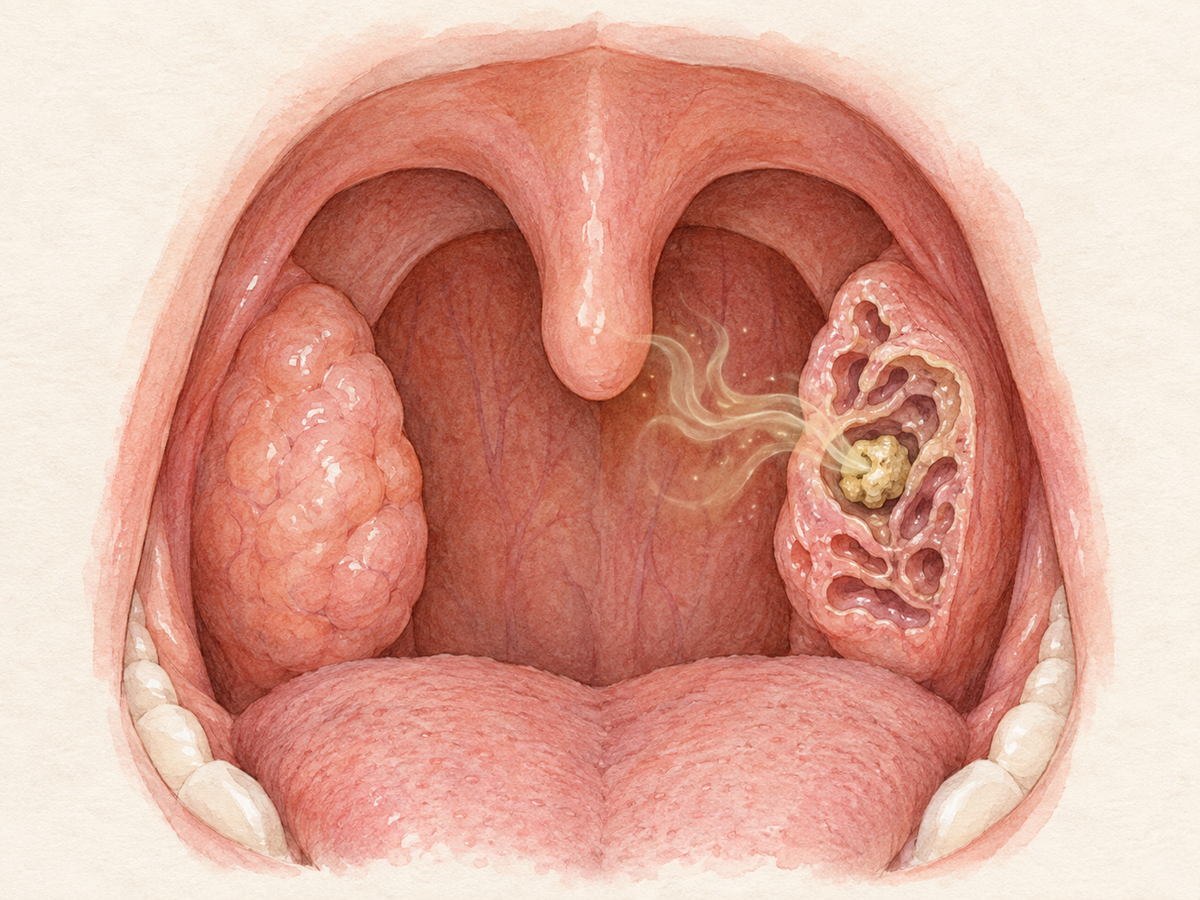
Dental tartar — clinically called calculus — is what happens when plaque overstays its welcome. If that soft bacterial film isn't removed, minerals from your saliva infiltrate the biofilm and harden it into a rough, crusty deposit that bonds to your enamel.
Tartar feels completely different. Where plaque is slick and slimy, tartar is ridged, porous, and gritty to the tongue. It typically shows up as yellow or brownish stains along the gumline or between teeth. Once it's there, no amount of home brushing will remove it.
This is the moment many people panic. They spot it in the mirror and start scrubbing harder — or worse, reaching for something sharp to scrape it off. Understanding what tartar actually is takes the fear out of the equation. It's not a personal failure. It's a predictable chemical process that happens to everyone without consistent plaque removal.
The key emotional shift here: seeing tartar doesn't mean you're doomed. It means your home care routine needs a partner — a dental professional with the right tools.

The Critical Shift: From Soft Film to Solid Threat
So how long do you have before that innocent plaque becomes a problem only a professional can solve? The answer is both reassuring and clear.
If plaque isn't disturbed by brushing or flossing, minerals in your saliva — primarily calcium and phosphate ions — begin to infiltrate the biofilm within 24 to 72 hours. Recent research on dental calculus formation reveals that bacteria within mature biofilms actively drive this mineralization process. They produce enzymes like alkaline phosphatase, which alters the local chemistry and creates conditions that cause calcium phosphate crystals to precipitate and bind to the tooth surface.
Once those crystals lock in, the soft biofilm transforms into a solid, mineralized layer. This is the point of no return for home care. The resulting tartar has a rough, pitted surface that actually makes it easier for more plaque to stick — accelerating the cycle.
The 24-to-72-hour window is your daily margin of control. Miss one day of brushing, and the countdown starts. Stay consistent, and the mineralization trigger never fires.
Side-by-Side: How to Finally Tell Them Apart
Next time you look in the mirror, you'll know instantly what you're dealing with. Here's the contrast that makes it unmistakable:
| Characteristic | Plaque | Tartar |
|---|---|---|
| Texture | Soft, slimy, fuzzy — scrapes off easily | Hard, rough, crusty — bonded to the tooth |
| Color | Clear to whitish or pale yellow | Yellow, brown, or even dark gray |
| Removal method | Brushing, flossing, interdental brushes | Professional scaling instruments only |
| Main location | Entire tooth surface, especially along gumline | Concentrated along the gumline and between teeth |
| Visibility | Often invisible without disclosing agents | Clearly visible once established |
| Consequence if ignored | Cavities, gingivitis | Gum recession, periodontitis, bone loss |
This mental picture eliminates guesswork. If it's soft and comes off when you brush, it's plaque — keep doing what you're doing. If it's hard, crusty, and isn't budging, it's tartar — book the appointment.
Can You Remove It at Home? The Honest Truth
Let's answer the question you've probably typed into a search engine at least once: "Can I just scrape it off myself?"
Plaque is fully removable at home. A thorough routine of brushing twice daily with a fluoride toothpaste, combined with daily flossing to reach between teeth, will clear the biofilm before it ever has the chance to harden.
Tartar cannot be removed at home. It requires a dental professional using specialized scaling instruments — hand scalers (curettes) for precise scraping and ultrasonic scalers that vibrate at high frequencies to shatter the mineral deposits. For tartar below the gumline, a procedure called scaling and root planing smooths the tooth root so bacteria can't easily recolonize it.
Warning: Resist any DIY temptation to scrape tartar off with sharp objects like dental picks purchased online. You risk gouging your enamel, lacerating your gums, or pushing bacteria deeper below the gumline — turning a minor issue into an infection or abscess. Studies evaluating subgingival calculus removal consistently find that subgingival tartar is directly correlated with periodontal attachment loss, and its complete removal is challenging even for trained professionals — let alone at-home attempts.
The trust-building truth: knowing the limits of home care is not a weakness. It's what protects your teeth from irreversible damage.
Why Both Deserve Your Full Attention
Plaque and tartar don't just sit there harmlessly. They're active threats with compounding consequences, and understanding them makes that occasional bleeding while brushing feel like the important warning sign it actually is.
The Damage Plaque Causes
The acids produced by plaque bacteria strip minerals from your enamel, creating microscopic pathways for cavities. Meanwhile, the bacteria's presence triggers your immune system, making your gums swell, redden, and bleed easily — this is gingivitis, and it's completely reversible if you remove the plaque.
The Damage Tartar Accelerates
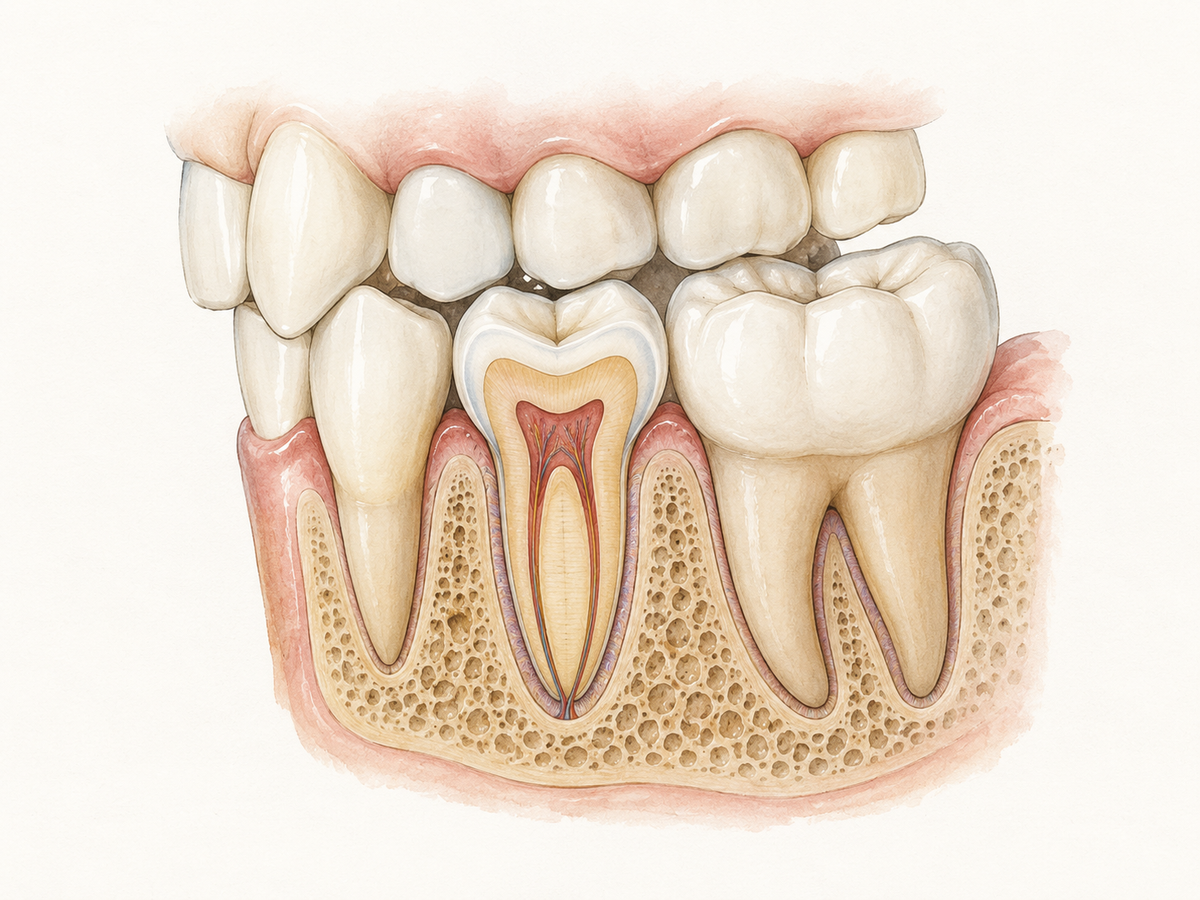
Tartar's rough, porous surface traps more bacteria and keeps them pressed against your gum tissue. The immune response intensifies and can't shut off because the source won't budge. This chronic inflammation drives periodontitis — the irreversible breakdown of the bone and ligaments holding your teeth in place. Gum recession follows. Pockets form between teeth and gums. Left untreated, teeth loosen and are eventually lost.
The Systemic Connection
The danger doesn't stop at your mouth. A comprehensive 2023 meta-analysis found that periodontal disease is significantly associated with an increased risk of cardiovascular disease — including heart attack, coronary heart disease, and stroke — independent of sex. The chronic inflammation caused by oral bacteria enters the bloodstream, contributing to arterial damage throughout the body.
That pink tinge in the sink when you spit? It's not normal. It's a stoppable signal from your body that bacteria have pushed past the first line of defense.
Your Daily Defense: Prevention That Actually Works
Prevention isn't complicated. It's a series of small, proven actions that compound over a lifetime — saving you money, pain, and the embarrassment of a smile you'd rather hide.
The non-negotiable daily routine:
- Brush twice daily with a soft-bristled brush and fluoride toothpaste for a full two minutes. Soft bristles clean effectively without damaging enamel or aggravating gum recession.
- Floss or use interdental brushes once daily to disrupt plaque between teeth where brushes can't reach. A sonic electric toothbrush can further improve this reach by driving fluids into interdental spaces beyond where bristles physically touch.
- Consider a fluoride or antiseptic mouthwash to reduce bacterial load in areas you may have missed — but remember, mouthwash rinses, it doesn't scrub. It's an addition to mechanical cleaning, never a replacement.
- Schedule professional dental cleanings every six months, or more frequently if you're a fast tartar-former. Your hygienist removes every trace of tartar above and below the gumline, disrupting the cycle completely.
What about tartar-control toothpaste? They contain chemical agents like sodium pyrophosphate or zinc citrate that inhibit the crystallization of new tartar. They can slow down formation — but they cannot remove existing tartar. Use them as a preventive helper, not a substitute for professional scaling.
Know the Difference, Keep the Power
Here's the simple truth that changes everything: plaque is controllable at home; tartar is a professional job. When you truly understand that line, dental care stops feeling like a guessing game and starts feeling like a partnership.
Check the date of your last cleaning. Look in the mirror and scan your gumline. That awareness alone puts you steps ahead of the silent process that catches so many people off guard. You don't need to get it perfect every day. You just need to disrupt the biofilm consistently enough that the 24-to-72-hour mineralization clock never runs out.
Your mouth is not a mystery. You now know exactly what that roughness means — and exactly what to do about it.

This article has been reviewed by an oral health professional for accuracy. It is intended to provide general educational information and should not be used as a substitute for personalized medical advice, diagnosis, or treatment. If you have questions or concerns about your oral health, please consult a dentist, physician, or other qualified healthcare provider.