















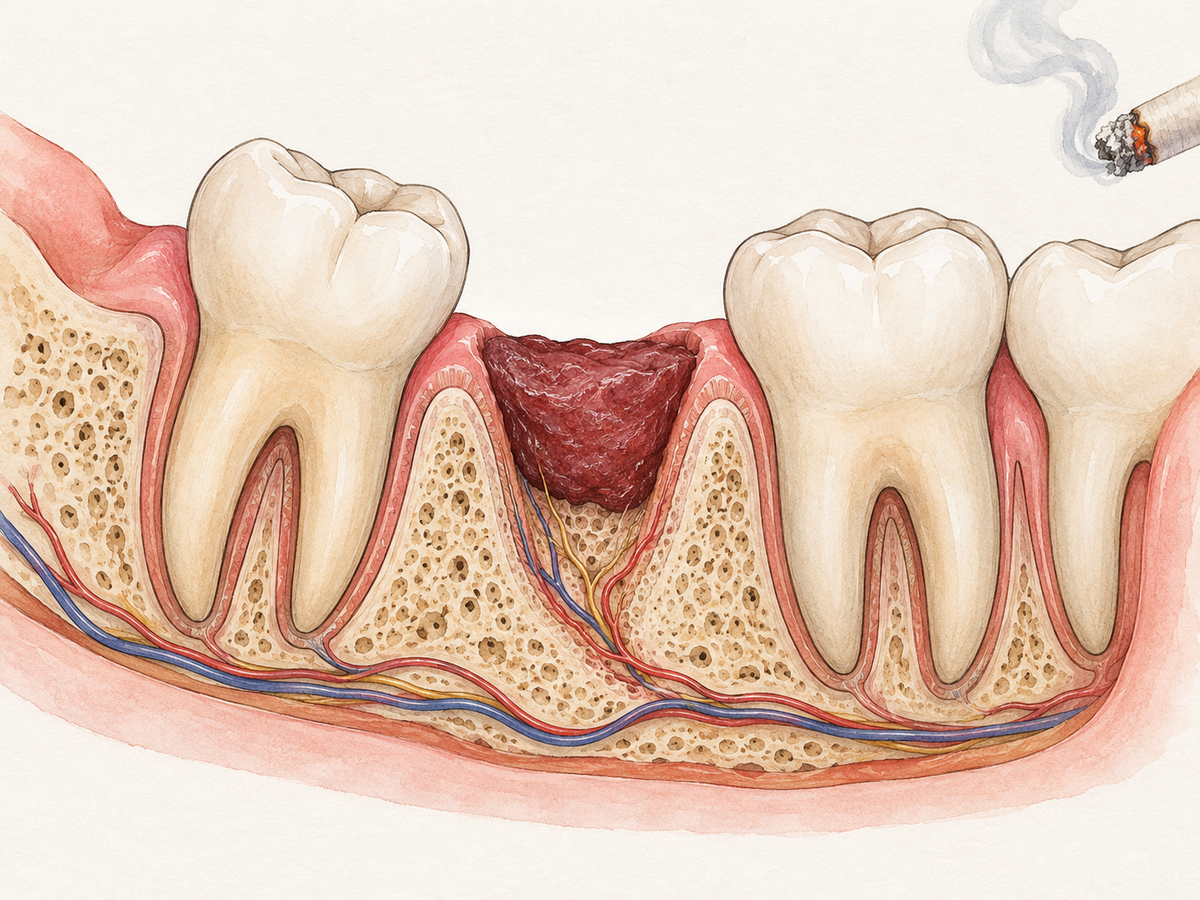
If you just had a wisdom tooth removed, the safest plan is to avoid smoking for at least 72 hours, and ideally for 7–10 days or until your dentist says the socket is clearly healing. Smoking too soon can dislodge the protective blood clot and raise your risk of a painful dry socket. Your dentist’s specific instructions matter most, especially after a surgical or impacted wisdom tooth removal.
During early healing, protect the blood clot. That means avoiding strong suction and anything that reduces blood flow to the socket.
Why Smoking Delays Healing
Nicotine is the addictive stimulant in tobacco smoke. It causes vasoconstriction, which means narrowing of blood vessels. When blood vessels narrow, less oxygen-rich blood reaches the healing tooth socket. A systematic review of surgical healing found that smoking decreases tissue oxygenation and interferes with the cells that repair wounds, according to wound healing research.
Tobacco and nicotine are also linked to reduced blood flow and poor blood supply to oral tissues, according to a review of smoking and oral surgical healing. Less blood flow can slow the formation of the protective blood clot and delay tissue repair.
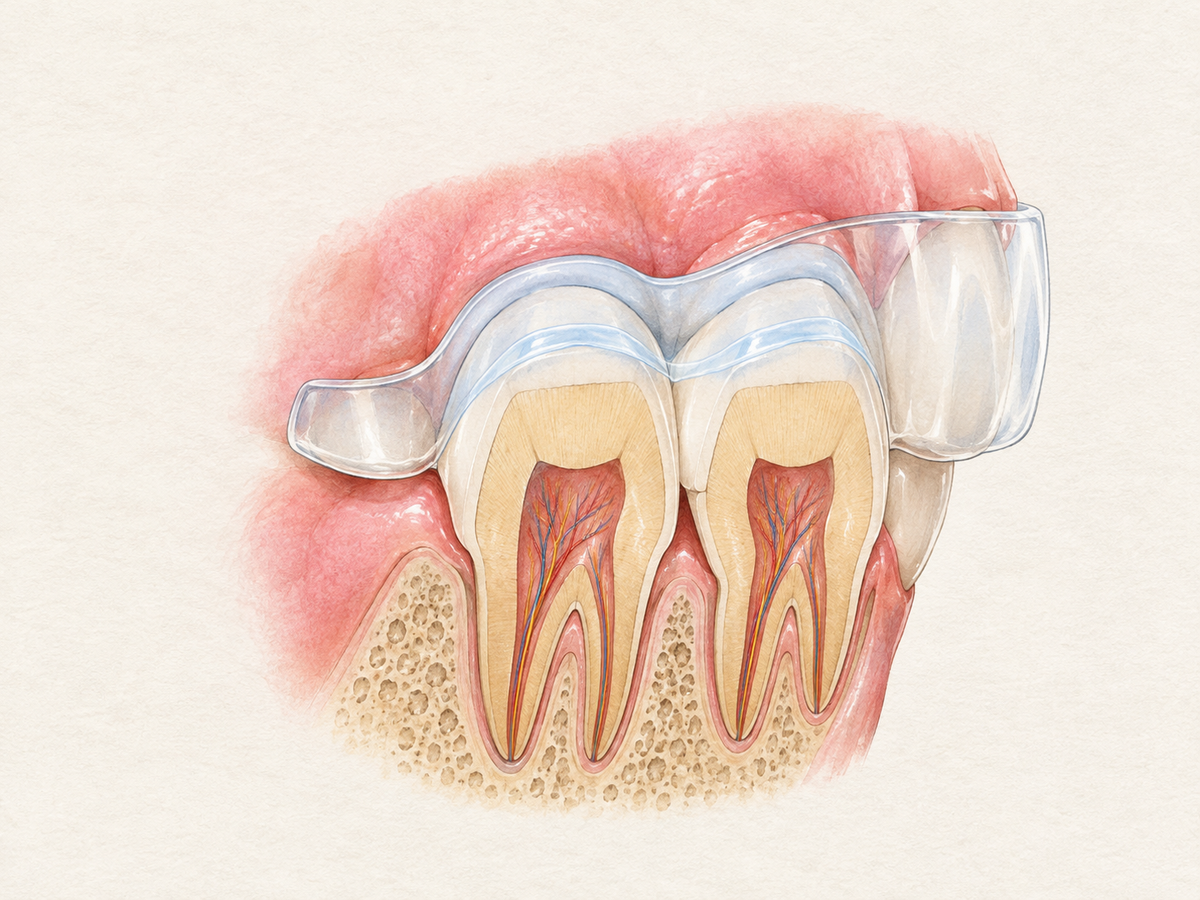
There is a second problem: the pulling effect of inhaling smoke. That suction can pull the healing clot out of the socket. The clot is essential because it covers the bone and nerve endings underneath. Without it, healing slows and pain can spike. One review notes that the sucking motion of smoking may dislodge the clot mechanically, based on dry socket prevention research.
This is about reducing risk, not judging past choices. Many people smoke. The goal is simply to give the socket the best possible chance to heal.
How Long to Avoid It
There is no single perfect number for everyone, but the first 72 hours are especially critical. During this time, the blood clot is forming and is easiest to disturb.
Here is a practical timeline many patients hear after extraction:
- First 72 hours: highest-risk window for losing the clot
- Days 3–7: the clot is more stable but the socket is still fragile
- Days 7–10: many dentists use this as a safer target before smoking again
- Surgical or impacted cases: your surgeon may recommend a longer wait
Your dentist’s specific instructions override any general timeline. Surgical extractions and impacted wisdom teeth often involve more tissue disruption, so recovery can be slower.
Dry Socket Warning Signs
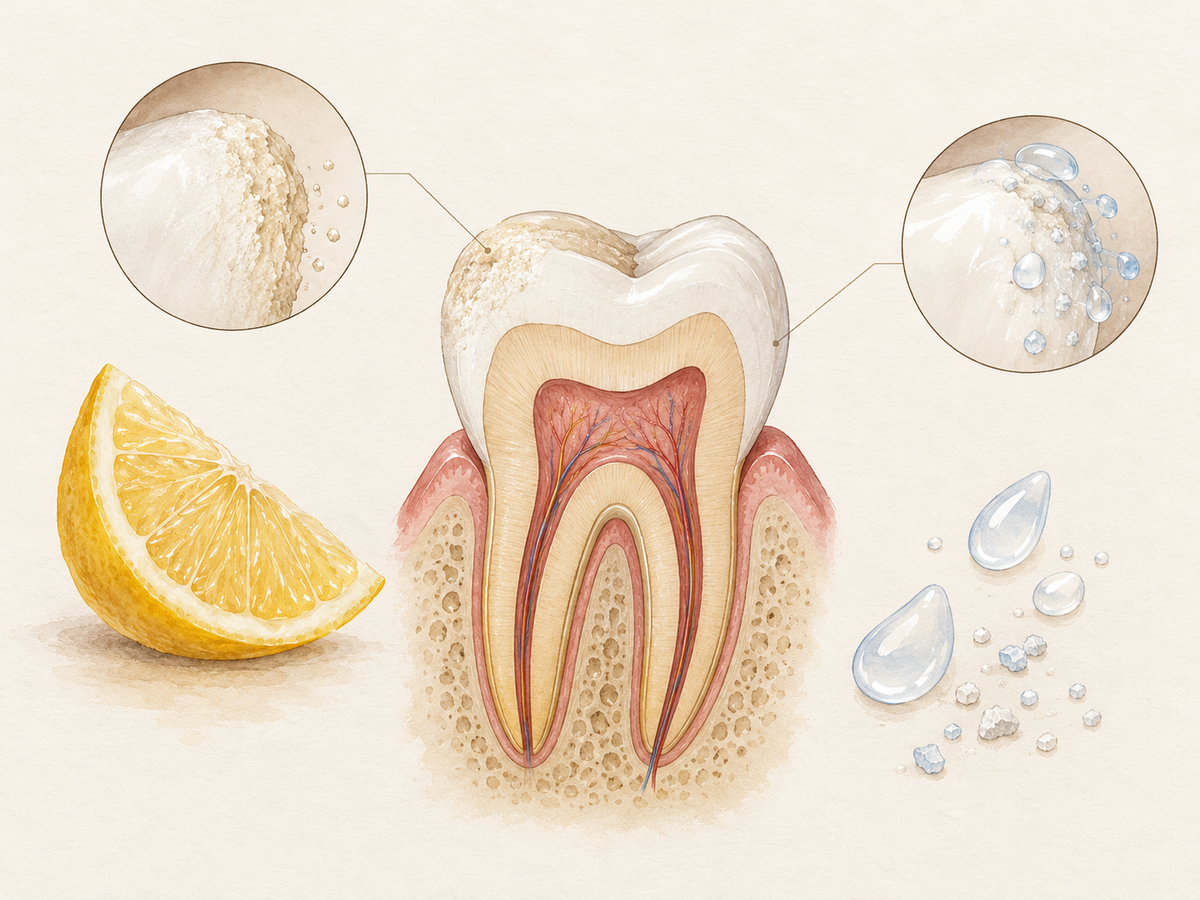
Dry socket, also called alveolar osteitis, happens when the protective blood clot is lost or breaks down too early. It is a common and painful complication after tooth extraction. The severe pain usually starts one to five days after surgery, according to a systematic review on smoking and dry socket.
Smoking is strongly linked to this problem. The same review found that tobacco smokers had more than three times the odds of developing dry socket after tooth extraction. The combined data showed dry socket in about 13.2% of smokers compared with about 3.8% of non-smokers.
Watch for these dry socket symptoms:
- Severe throbbing pain, often worse than the normal post-surgical ache
- An empty-looking socket
- A bad taste in the mouth
- Bad breath
- Visible bone in the socket
Dry socket is treatable, but it needs prompt dental care. Treatment can clean the socket and place a dressing to ease pain, according to guidance on dry socket management. Do not wait and hope it will go away.
If You Slip or Crave Nicotine
If you smoked too soon, do not panic. A slip does not mean dry socket is guaranteed. The most important step is to stop immediately.
After a slip:
- Avoid any further suction, including straws and vapes
- Keep the area clean as directed by your dentist
- Avoid forceful spitting or rinsing
- Call the dental office if pain worsens, swelling increases, or a bad taste will not go away
Cravings are common. Nicotine replacement products such as patches, gum, or lozenges may avoid suction, but they still deliver nicotine. Nicotine itself can influence inflammation and cell activity during healing, according to surgical healing research. Do not assume these products are automatically safe after extraction. Talk with your dentist or doctor before using them during recovery.
Vaping, Edibles, and Other Substitutes
Vaping is not automatically safer. It still creates suction when you inhale, and most vapes contain nicotine. The suction can dislodge the blood clot, and nicotine can slow healing. A review of vaping and oral surgery explains that the negative pressure from inhaling vapor may pull the clot loose and delay tissue coverage over the bone.
Some guidance says vapers should stop for at least 48 hours after oral surgery, but a longer pause is safer because the same suction and nicotine concerns apply. If someone cannot stop vaping, a dentist may discuss protective steps such as placing gauze over the socket, but the review notes these options are not fail-safe.
Smoke-free nicotine products avoid suction, but they are not automatically risk-free because of the nicotine itself. Cannabis products, including edibles, may not involve suction, but they can have their own risks during recovery. Clear any substitute with your dentist before using it.
Healing Checkpoints
Normal healing is gradual. In the first day, a blood clot forms in the socket. Swelling often peaks around days two to three, then starts to go down. Pain should slowly ease after the first few days, not get worse.
Here is what many patients notice:
- Day 1: blood clot forms; mild bleeding or oozing may be normal
- Day 2–3: swelling may peak, then begin to improve
- Day 4–7: pain and tenderness should generally ease
- After day 7: early soft tissue healing continues, but deeper healing is still underway
Feeling better does not mean the socket is strong enough for smoke exposure. The surface may look more normal while the deeper tissue and bone are still rebuilding. Smoking too early can interrupt that hidden repair process. Use these checkpoints as a guide when talking with your dentist, not as permission to smoke early.
When to Call Your Dentist
Call the dental or oral surgery office if you have any of these red flags:
- Worsening pain after day 3
- Fever
- Pus or discharge from the socket
- Swelling that increases instead of going down
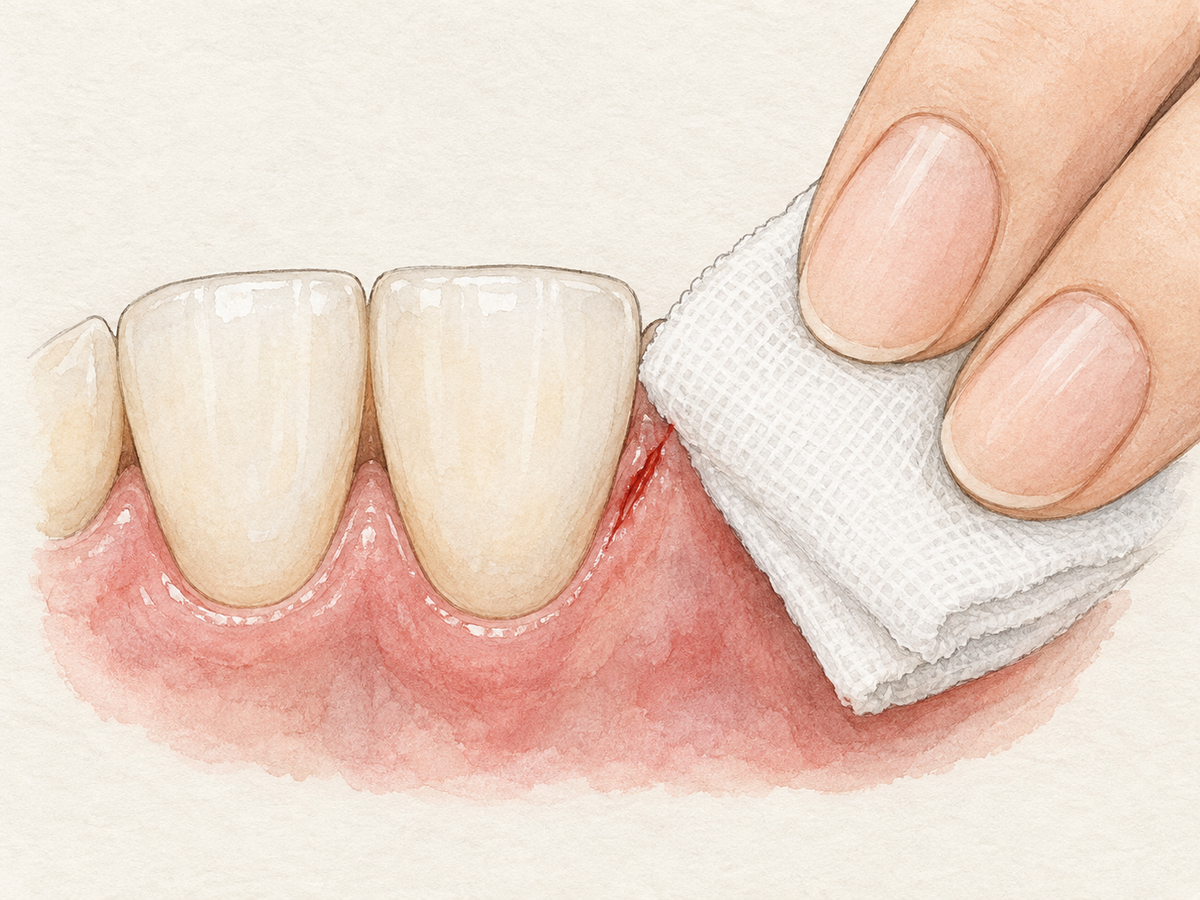
- Bleeding that will not stop
- A persistent bad taste or bad breath that does not improve
Do not wait for a scheduled follow-up if these appear. Dry socket and infection are easier to manage when treated early. The safest next step is to call the office that performed the extraction.
 Best Overall
 Best Value
 Best for Sensitive Teeth
This article has been reviewed by an oral health professional for accuracy. It is intended to provide general educational information and should not be used as a substitute for personalized medical advice, diagnosis, or treatment. If you have questions or concerns about your oral health, please consult a dentist, physician, or other qualified healthcare provider.