















You often cannot trust your own nose to tell if you have bad breath. Your nose adapts to smells you are around all the time, including your own breath, so the most reliable checks involve simple home tests, honest feedback from someone you trust, and paying attention to repeating patterns.
Why You Can’t Always Smell Your Own Breath
Halitosis is the dental term for bad breath. It is common, but it can be surprisingly hard to notice in yourself.
The main reason is olfactory adaptation, or “nose blindness.” Your smell receptors are very good at detecting new smells. But when a smell is always there, those receptors stop sending strong signals about it. This is the same reason you may not notice a perfume you wear every day.
Because your nose filters out familiar odors, self-smell is not a reliable test. One study comparing self-perception with clinical measurements found that self-perception was not a valid way to judge one’s own oral malodor. People could miss real bad breath or believe they had it when they did not. That is why honest feedback from a trusted person or a simple at-home check is more useful.
Reliable Self-Checks at Home
No single home test is perfect. Look for a repeated pattern rather than one quick sniff.
Try these checks a few hours after brushing or eating, not right after mouthwash, mints, or toothpaste. That gives you a more realistic sample:
- Scrape the back of your tongue with a spoon or a tongue scraper. Smell the coating that comes off.
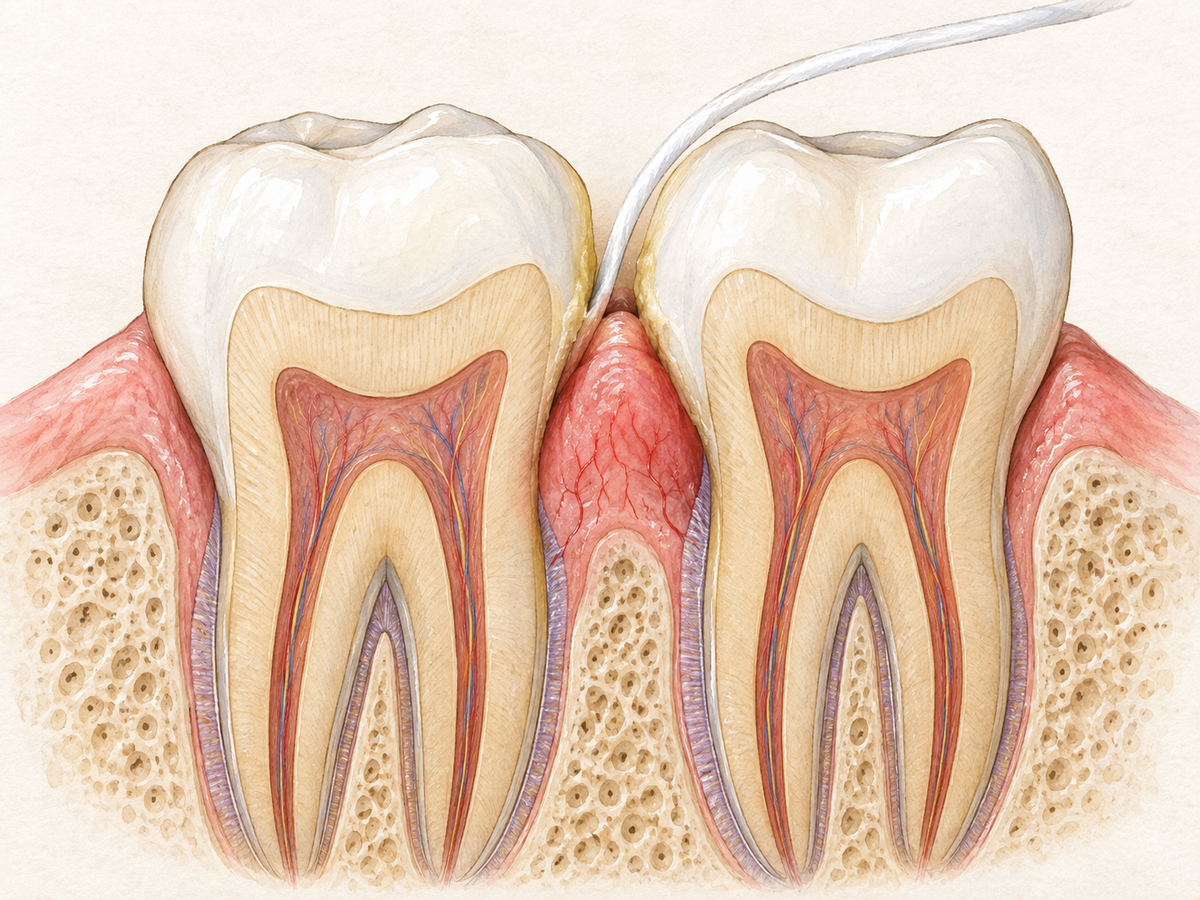
- Smell used dental floss from between your back teeth.
- Cup your hands over your mouth and nose, exhale through your mouth, and sniff.
- Ask someone you trust to check. Ask them to be honest and specific.
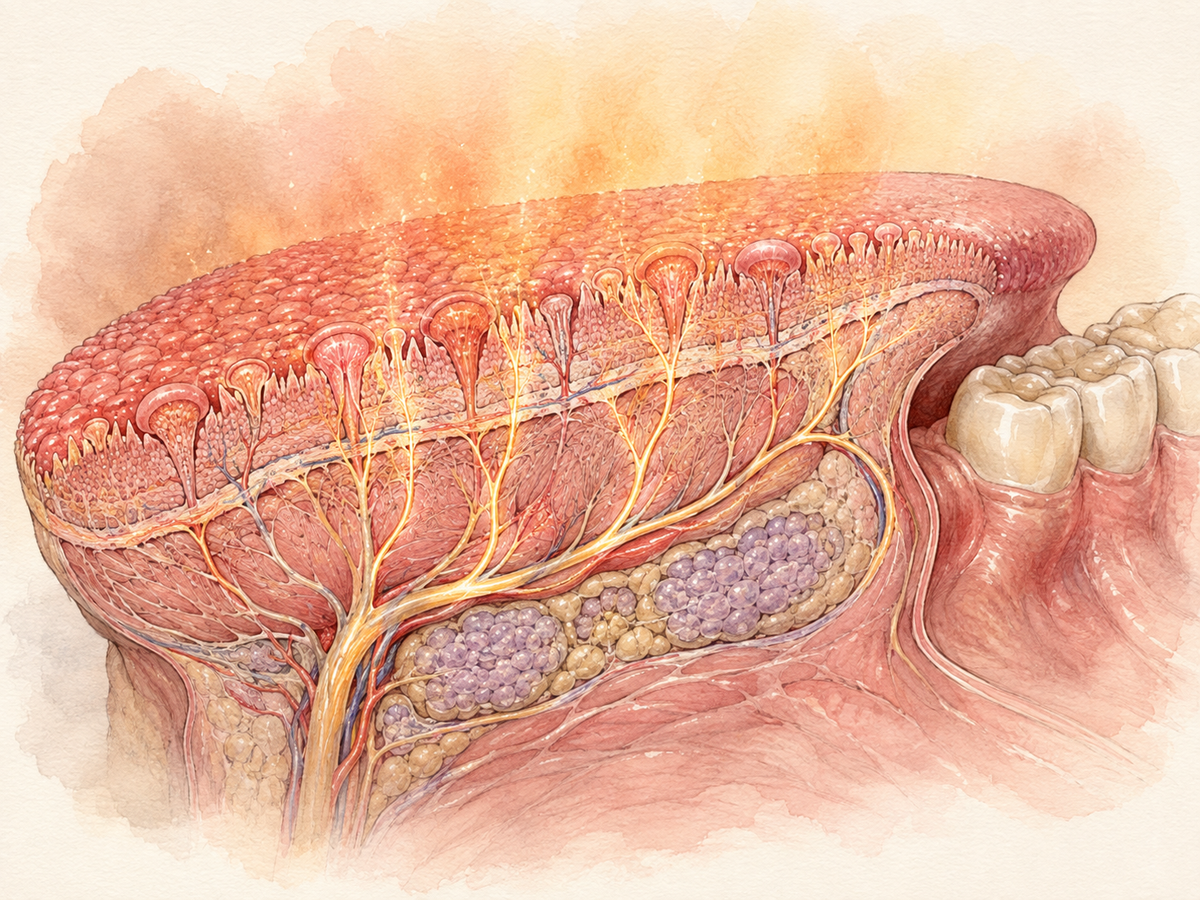
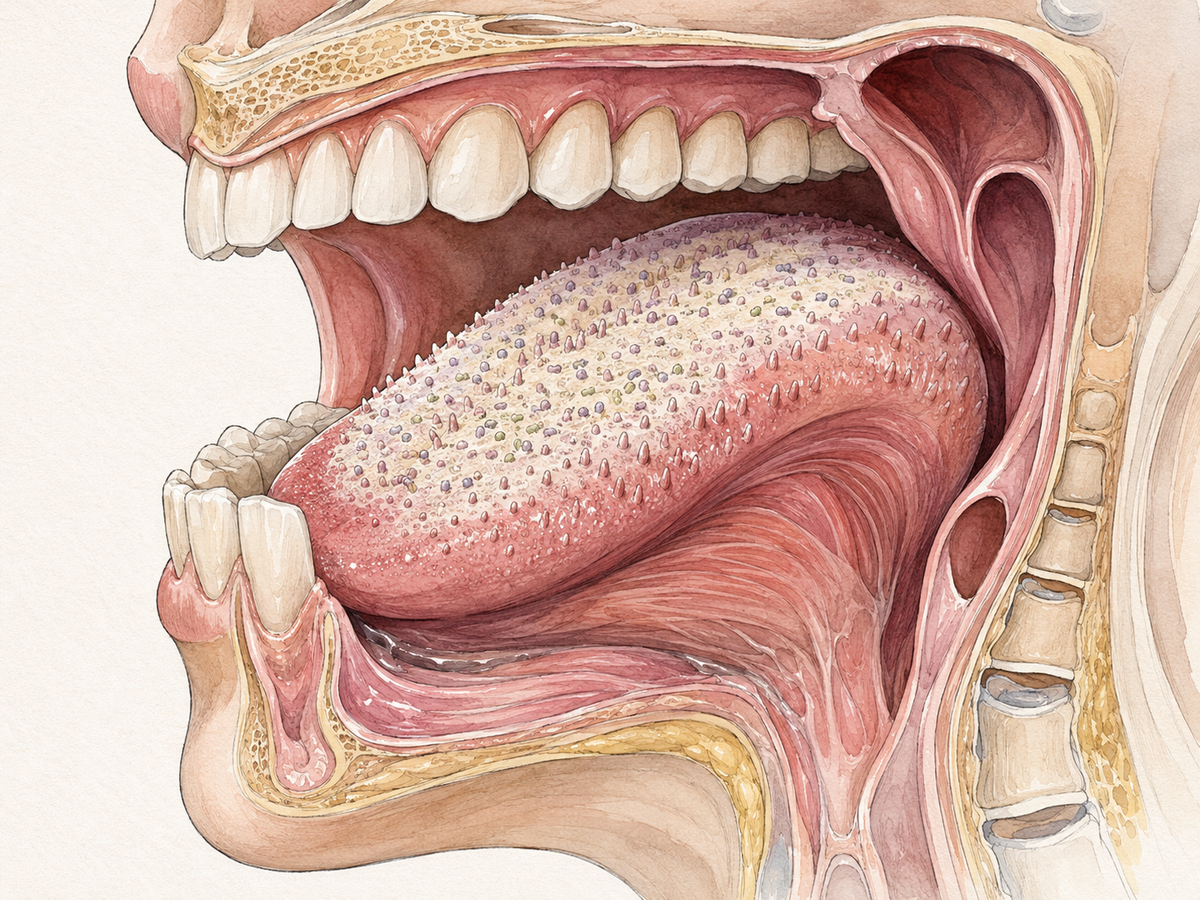
The back of the tongue is a key area. The dorsum, or top surface, of the tongue is the biggest reservoir of bacteria that produce malodorous gases. Cleaning it can reduce the gases that cause bad breath. But a spoon or scraper check only samples surface odor, so it is not foolproof.
Signs Others May Notice
People rarely comment directly on bad breath. They may show it through subtle behaviors:
- Stepping back or turning away during conversation
- Covering the nose or rubbing it
- Offering gum or mints
- Making a direct comment about breath
Physical clues can also point to the problem:
- A dry mouth, which can allow odor-causing bacteria to build up
- A bitter or metallic taste
- A white coating on the tongue
- Post-nasal drip, meaning mucus dripping down the back of the throat
These signs are worth noticing, but they are not proof. They are signals to act on without shame. If you notice several together, ask someone you trust for honest feedback.
Temporary vs. Persistent Smell
Not all bad breath is the same.
Temporary bad breath usually fades within a day or after cleaning. Common causes include:
- Morning breath, because saliva flow drops during sleep
- Strong foods like garlic or onions
- Smoking or tobacco use
- Short-term dry mouth
Morning breath is a non-pathological form of halitosis. It typically improves after oral hygiene measures or eating.
Persistent bad breath returns quickly after brushing and flossing. It may point to:
- Gum disease, also called periodontal disease
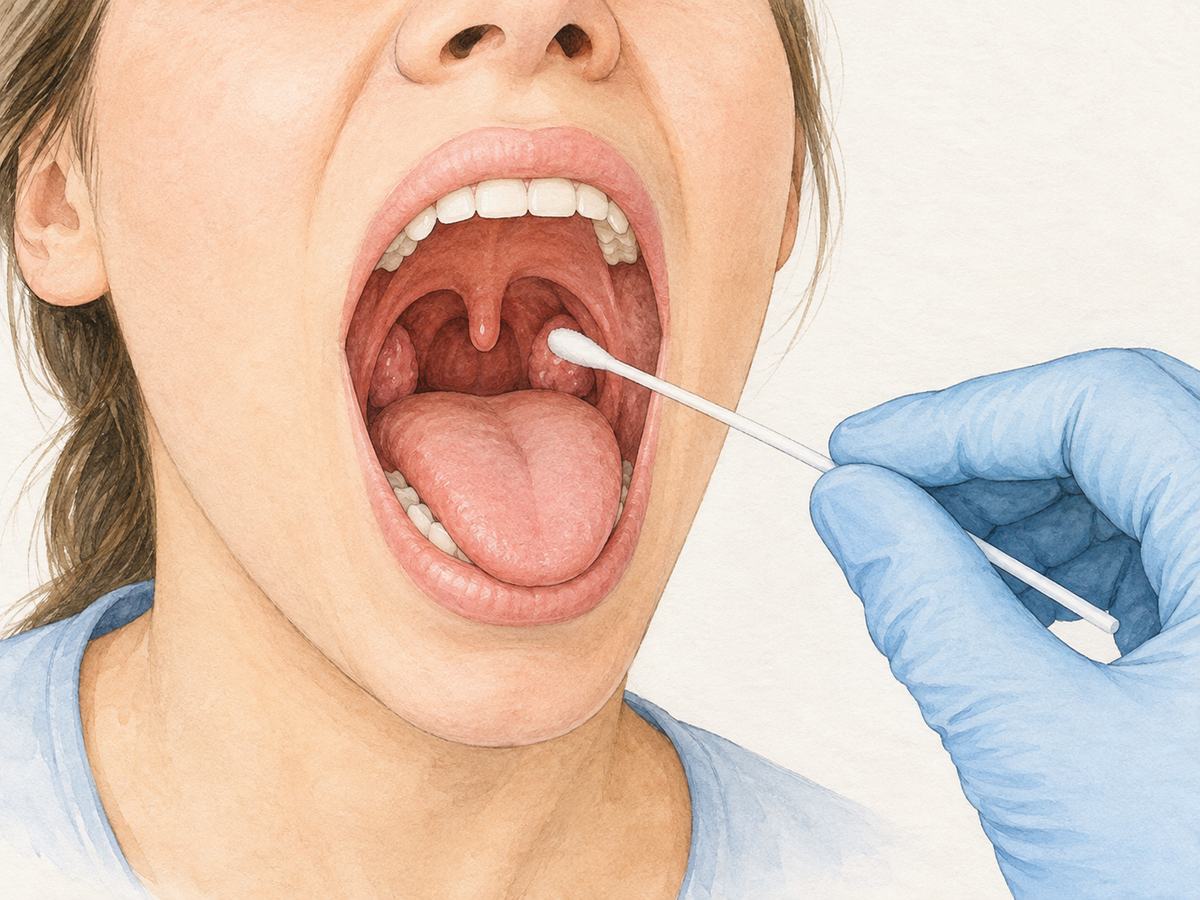
- Tonsil stones, small debris that can collect in the tonsils
- Sinus issues
- Chronic dry mouth
- Smoking or tobacco use
Most halitosis, about 80 to 90 percent, comes from inside the mouth, especially from tongue coating, gum disease, and poor oral hygiene. So if the smell keeps coming back, the cause is likely still in the mouth until a dental professional helps find it.
When to See a Dentist
Book a dental visit if bad breath lasts for weeks or returns soon after cleaning. Do not wait if it comes with any of these:
- Gums that bleed
- Tooth pain
- Loose teeth
- Sores or white patches in the mouth
- Ongoing dry mouth
Also see a professional if you have signs that may point beyond the mouth, such as:
- Acid reflux
- Diabetes symptoms
- Ongoing sinus infections
A dentist can identify gum disease, decay, and oral infections. In many cases, the source is found in the mouth, so the dentist is a good first stop. If the cause appears to be outside the mouth, the dentist can help guide the next step.
How to Prepare for Your Visit
The more detail you bring, the more focused the exam can be.
Keep simple notes on:
- When the odor is worst
- What you have already tried
- Medications you take
- Foods that may affect your breath
- Other symptoms, such as dry mouth or reflux
- What a trusted person noticed about the smell
Specific odor descriptions can help. Fruity, fecal, or ammonia-like smells can hint at different causes. For example, a fruity odor is suggestive of diabetic or alcoholic ketoacidosis in some cases. A fecal odor can be present with intestinal obstruction. An ammonia or urine-like odor may point to kidney-related issues.
Do not diagnose yourself from these smells. They are clues for the dentist to investigate, not proof of a specific disease.
The most useful answer: you often can’t smell your own bad breath, so rely on repeated home checks and honest feedback from someone you trust. If the smell lasts for weeks or comes with red flags, see a dentist.
This article has been reviewed by an oral health professional for accuracy. It is intended to provide general educational information and should not be used as a substitute for personalized medical advice, diagnosis, or treatment. If you have questions or concerns about your oral health, please consult a dentist, physician, or other qualified healthcare provider.