
















Yellow teeth usually come from one of two places: stains sitting on the outside of the tooth, or yellow color showing through from inside. The fix depends on which kind you have. Many everyday stains can be reduced by changing habits and cleaning the tooth surface. Yellowing from thin enamel, aging, medications, or injury often needs a dentist’s help.
If one tooth suddenly turns yellow or hurts, skip home whitening and see a dentist. Sudden single-tooth yellowing can be a sign of nerve damage or decay.
Why Yellow Teeth Need Different Fixes
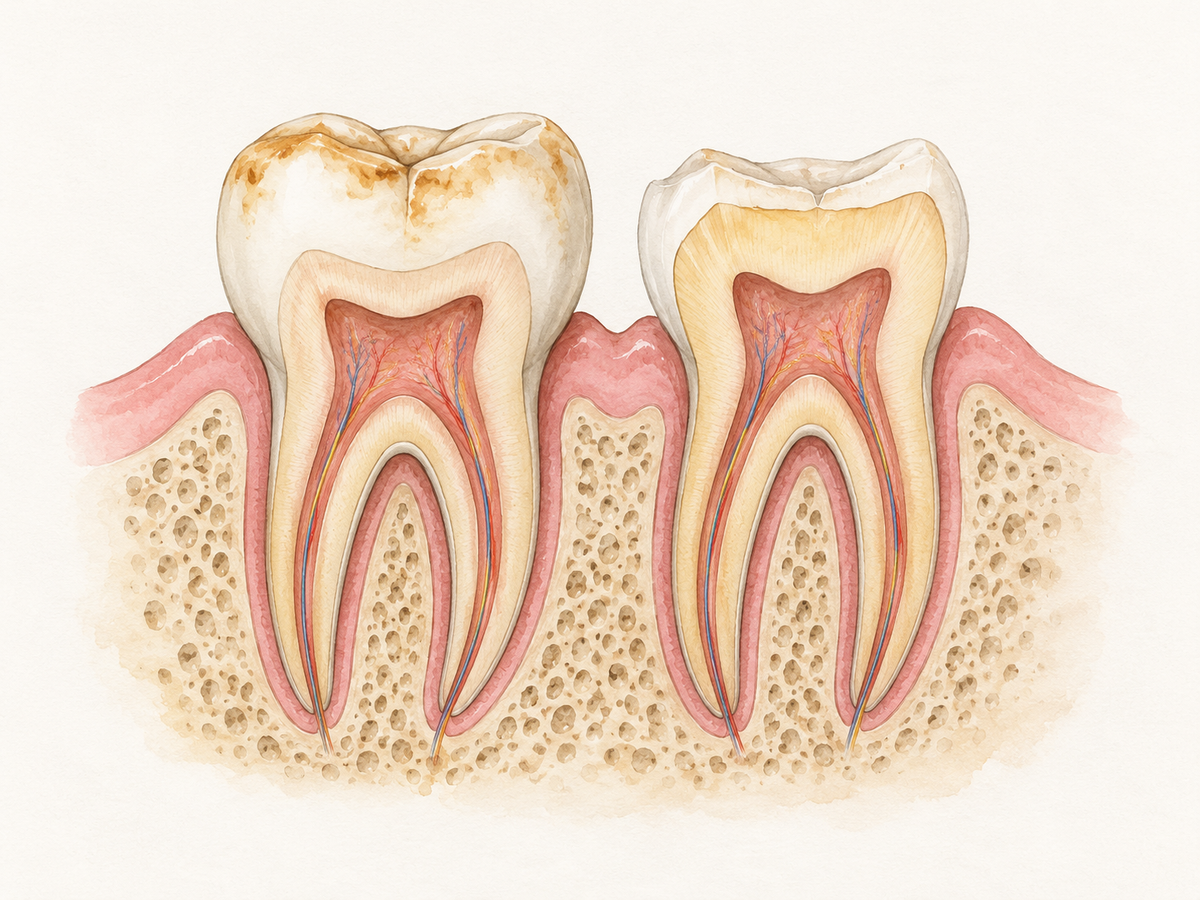
Some yellowing starts on the outside of the tooth. This is called surface staining. Pigments from food, drink, or tobacco stick to the enamel, the hard outer layer. Surface stains can often be polished or whitened away.
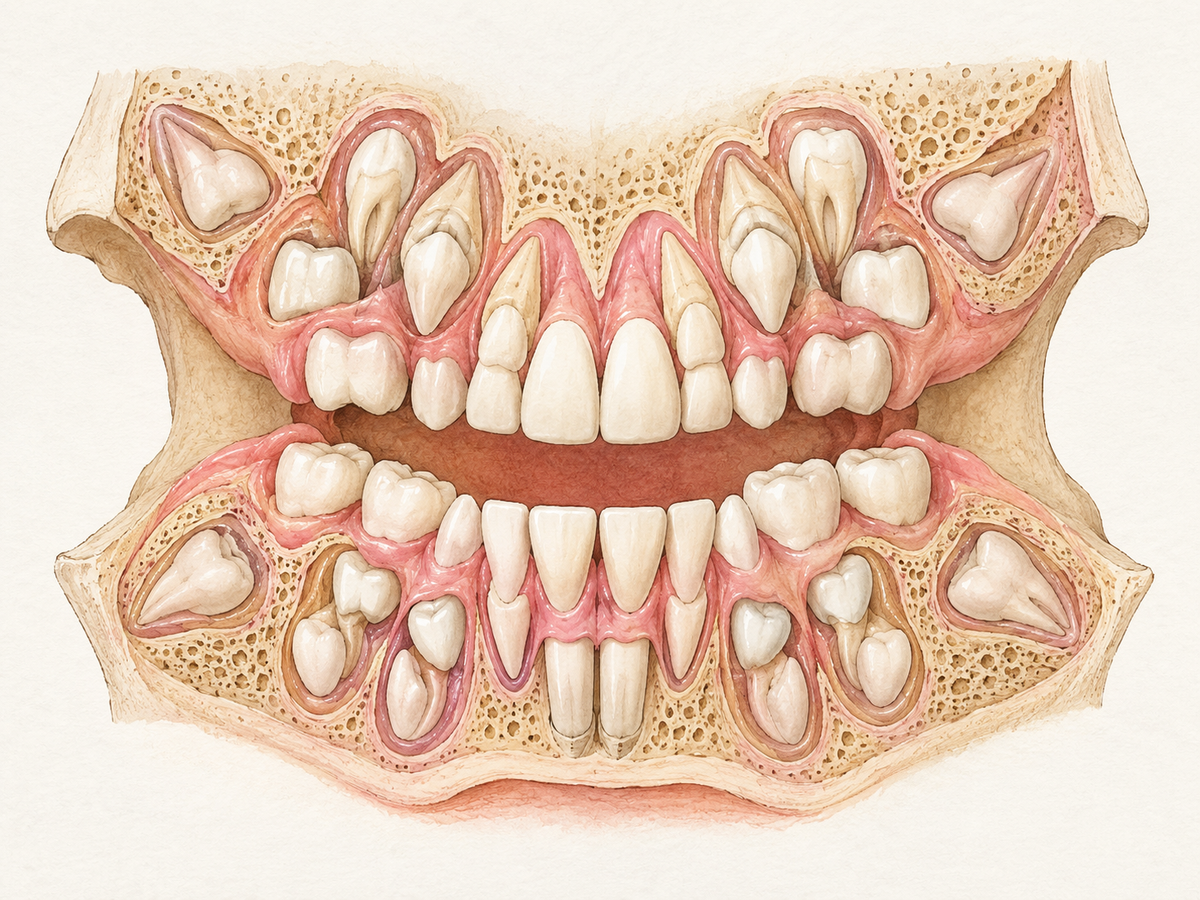
Other yellowing seems to come from inside the tooth. Dentists call this inside-tooth staining. It can happen when enamel gets thinner and the naturally yellow layer underneath, called dentin, shows through. It can also happen when a medication or an injury changes the color of the tooth itself.
These two types need different fixes. Surface stains may respond to a professional cleaning or whitening. Inside-tooth stains may need a dentist to cover the tooth or treat the inside of it. That is why the ten causes below are grouped by where the yellow is coming from, according to an overview of tooth discoloration and a review of tooth color.
Ten causes at a glance
| Cause | Where the yellow comes from | Main move |
|---|---|---|
| Coffee and tea | Surface stain | Rinse after drinking or use a straw |
| Red wine | Surface stain | Rinse after drinking and limit sipping time |
| Dark soda | Surface stain | Use a straw and do not hold it in your mouth |
| Tobacco | Surface stain | Quit or cut back |
| Poor brushing and plaque buildup | Surface stain plus plaque | Brush twice daily with a soft brush |
| Skipping flossing or tongue cleaning | Surface stain plus plaque | Floss daily and gently clean the tongue |
| Harsh whitening toothpaste overuse | Enamel wear, dentin shows | Switch to gentle fluoride toothpaste |
| Acidic foods and drinks | Enamel erosion, dentin shows | Pair with meals and wait before brushing |
| Dry mouth | Less saliva protection | Drink water and chew sugar-free gum |
| Aging, genetics, medications, or trauma | Inside-tooth stain or thin enamel | See a dentist for options and monitoring |
Everyday Habits That Stain Teeth
Coffee, tea, red wine, dark soda, and tobacco are some of the most common surface-staining causes. These habits repeatedly expose teeth to color compounds that stick to the enamel surface, according to a review of tooth color. Smoking and chewing tobacco are also well-known surface-staining habits described in clinical guidance on tooth discoloration.
The pattern matters more than one rare indulgence. Sipping a dark drink over an hour exposes teeth much longer than drinking it quickly. Repetition and contact time are the bigger issue.
Simple moves that help:
- Drink through a straw when practical, especially for dark soda.
- Rinse with water after coffee, tea, red wine, or dark soda.
- Do not swish dark drinks around your mouth.
- If you use tobacco, quitting or cutting back has the biggest payoff.
Using a straw can reduce contact between the drink and the teeth, especially with carbonated beverages, according to guidance on tooth erosion.
Oral Care Mistakes That Let Yellow Build Up
When brushing is rushed or spots get missed, plaque builds up. Plaque is a sticky film that can pick up stain and make teeth look dull or yellow. Poor oral hygiene can leave yellow or brown buildup on the teeth, as noted in an overview of tooth staining.
Skipping floss leaves plaque and stain between teeth. Not cleaning the tongue lets plaque and stain collect there too.
Corrections are simple:
- Brush twice a day for two minutes with a soft-bristle brush.
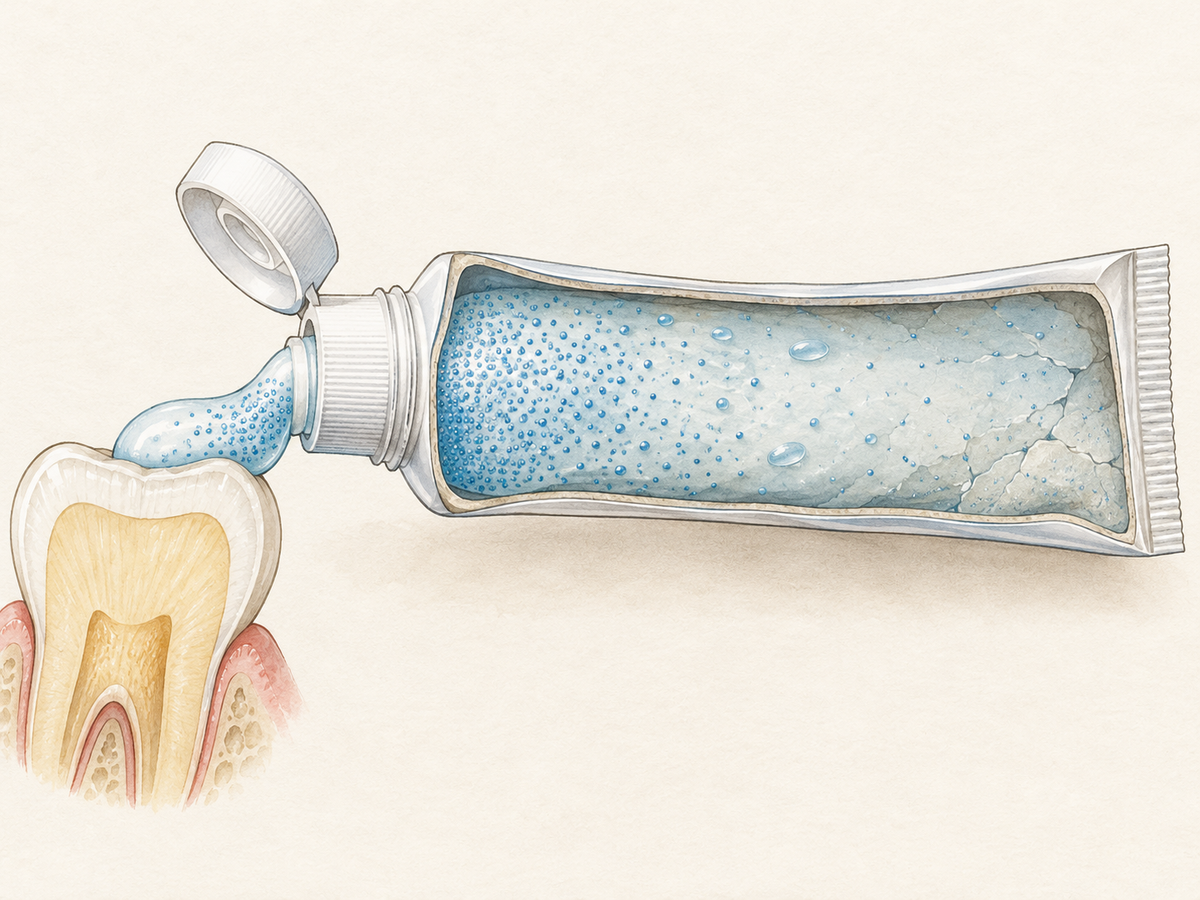
- Use a fluoride toothpaste. Fluoride helps strengthen enamel and protect it from acid wear.
- Floss or use another between-teeth cleaner once a day.
- Gently clean the tongue.
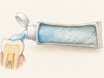
Overusing a harsh whitening toothpaste can backfire. Some whitening and charcoal toothpastes are abrasive and can roughen enamel over time, especially when used with a hard or medium brush, according to a study on enamel changes. A review of over-the-counter whitening products also notes that many whitening toothpastes rely on abrasives without truly bleaching the tooth.
When enamel wears away, the yellow dentin underneath shows through more clearly.
Diet, Acid, and Dry Mouth
Acidic foods and drinks can slowly thin the enamel. Common sources include citrus fruit, sports drinks, soda, wine, and sour candies. As enamel erodes, the tooth can look thinner, smoother, and more yellow because the dentin underneath becomes visible, according to guidance on managing tooth erosion.
Dry mouth makes this worse. Saliva helps rinse away acids, neutralize them, and protect the enamel. Reduced saliva flow is a risk factor for erosive tooth wear, according to a consensus report on tooth wear.
Moves that help:
- Pair acidic foods or drinks with a meal instead of grazing on them all day.
- Drink water or milk instead of sipping acidic drinks for long periods.
- Chew sugar-free gum after meals to stimulate saliva.
- If you have dry mouth, mention it to your dentist or doctor.
- Do not brush immediately after acidic food or drink. Brushing too soon can rub acid into the softened enamel surface, according to erosion guidance. A common practical rule is to wait about 30 minutes.
Aging, Genetics, Medications, and Trauma
Some yellowing is not a habit problem.
Enamel naturally gets thinner with age, so more yellow dentin shows through. Genetics also influence natural tooth color and enamel thickness.
Certain medications can stain teeth from inside. Tetracycline antibiotics, for example, can cause inside-tooth staining when teeth are still developing, as mentioned in an overview of tooth discoloration.
A blow to a tooth can injure the nerve and cause the tooth to turn yellow or gray. A dentist may be able to lighten that type of discoloration from the inside, according to guidance on managing discolored teeth.
Some prevention steps can still help:
- Ask your dentist whether a mouthguard is right for you during contact sports or activities with a risk of dental injury.
- Review your medications with a dentist or doctor if you notice tooth color changes. Never stop a prescribed medicine without talking to your doctor first.
- Keep up with regular dental visits so changes are caught early.
These causes are harder to control. If any of them apply to you, do not blame yourself.
Your Daily Prevention Plan
A realistic routine can prevent many surface stains and protect enamel:
- Brush twice a day for two minutes with a soft brush and fluoride toothpaste.
- Floss daily and gently clean your tongue.
- Rinse with water after coffee, tea, red wine, or dark soda.
- Use a straw when it helps reduce contact with staining or acidic drinks.
- Limit acidic foods and drinks, especially between meals.
- If you have something acidic, wait about 30 minutes before brushing.
- Chew sugar-free gum after meals if your mouth feels dry.
- Schedule regular dental cleanings. Professional cleanings can remove surface stains that home care misses, according to a review of tooth color.
Once a week, do a quick habit check. Ask yourself whether tobacco use is creeping back and whether you are relying too often on harsh whitening toothpaste.
If Teeth Are Already Yellow: Safe Steps and Red Flags
The right next step depends on the cause.
For surface stains:
- A professional cleaning can remove many surface stains.
- Whitening toothpaste may help with mild surface stains, but it will not fix inside-tooth yellowing.
- Dentist-supervised whitening is a safer option for surface discoloration. Low-concentration peroxide products used with custom trays are a common approach, according to guidance on managing discolored teeth.
For inside-tooth stains:
- Bonding or veneers can cover discoloration that whitening cannot remove.
- Internal bleaching may be an option for a tooth that changed color after trauma or root canal treatment.
Be careful with DIY trends. Lemon juice can etch and demineralize enamel, according to a study on natural whitening remedies. Charcoal and whitening toothpastes can roughen enamel with long-term use, as shown in research on enamel topography.
See a dentist if you notice any of these red flags:
- One tooth suddenly turns yellow
- Pain, sensitivity, or swelling
- A recent injury to the tooth
- Staining that appears after starting a medication
A dentist can check for decay, nerve damage, or other problems that home whitening cannot fix. Start with the cause, not the trend.
This article has been reviewed by an oral health professional for accuracy. It is intended to provide general educational information and should not be used as a substitute for personalized medical advice, diagnosis, or treatment. If you have questions or concerns about your oral health, please consult a dentist, physician, or other qualified healthcare provider.