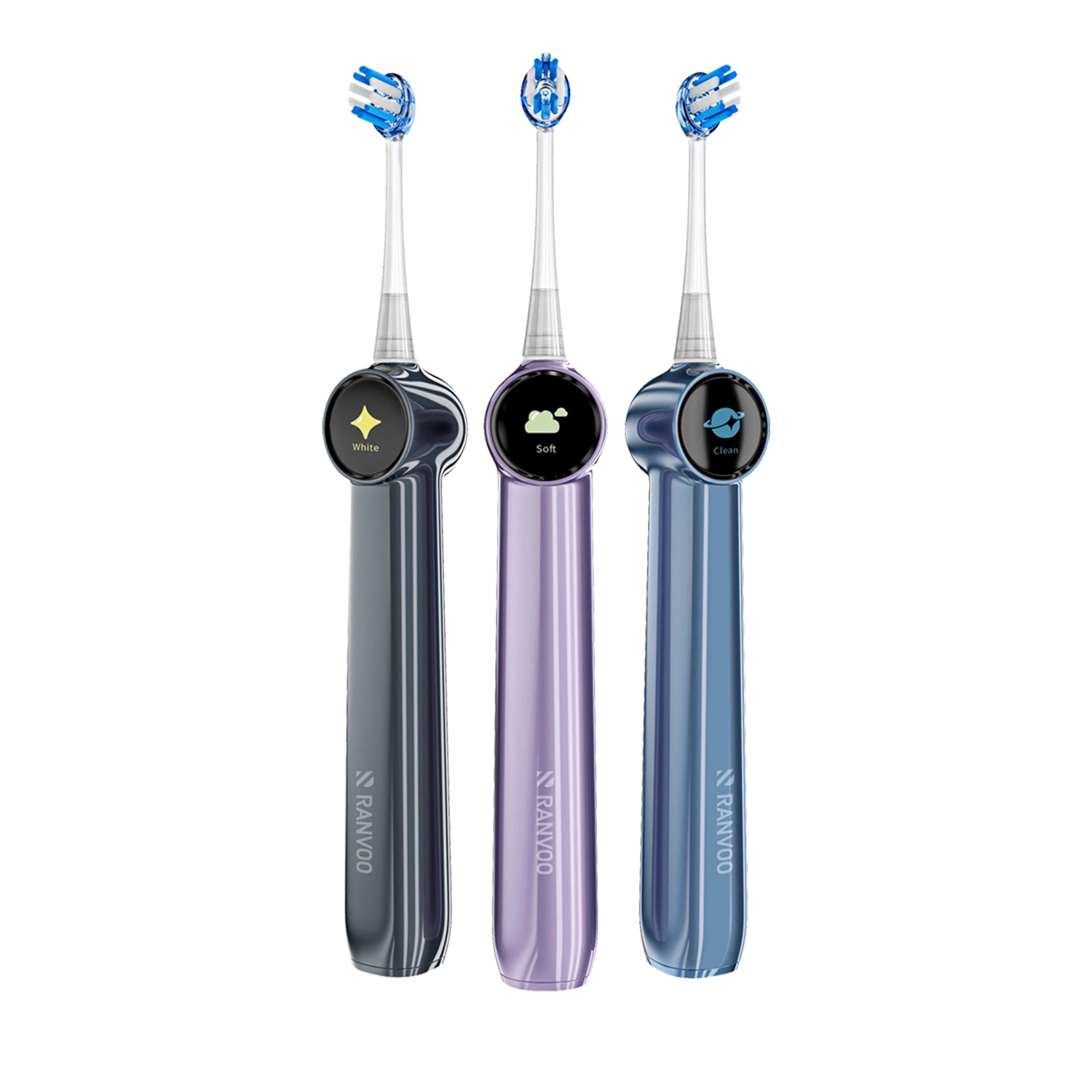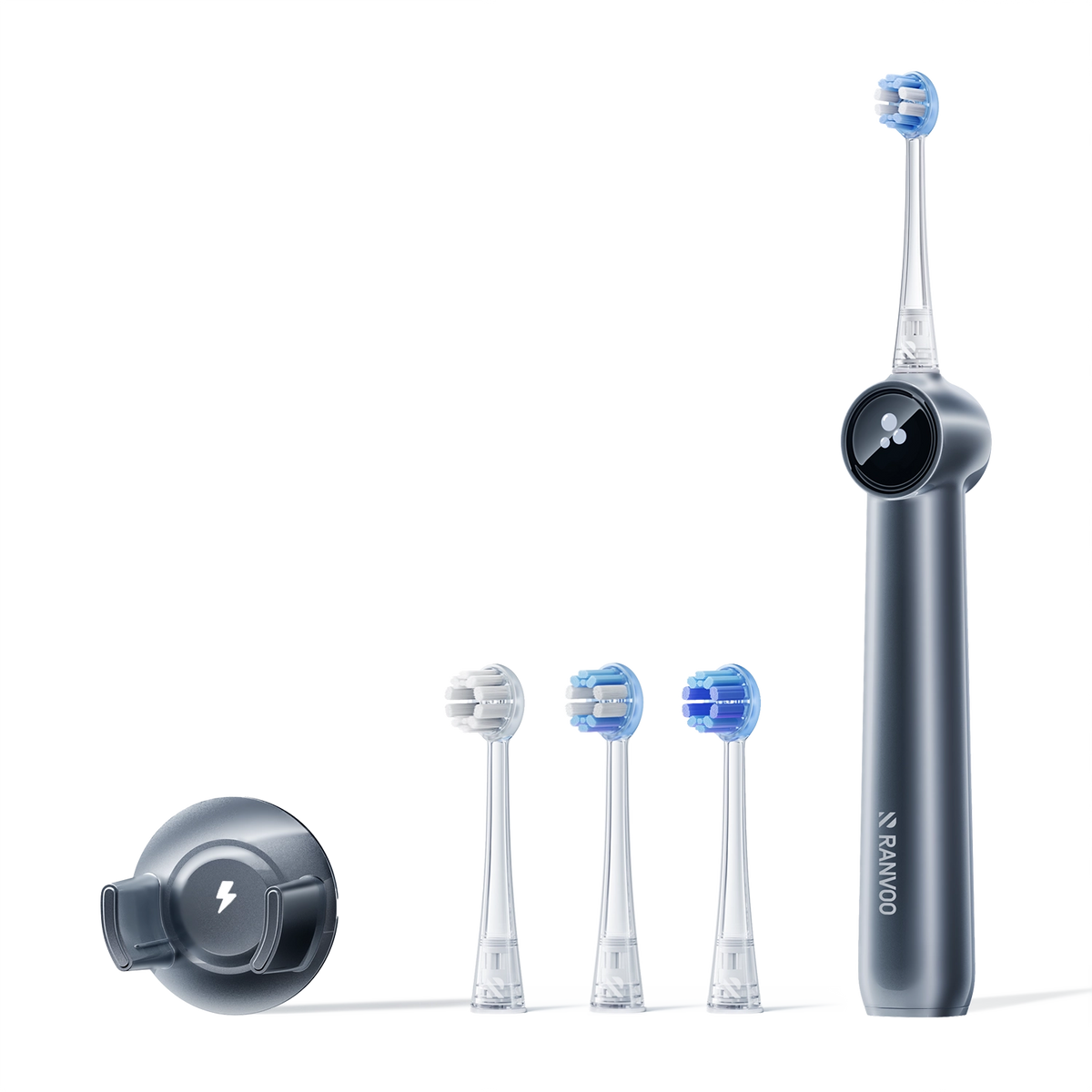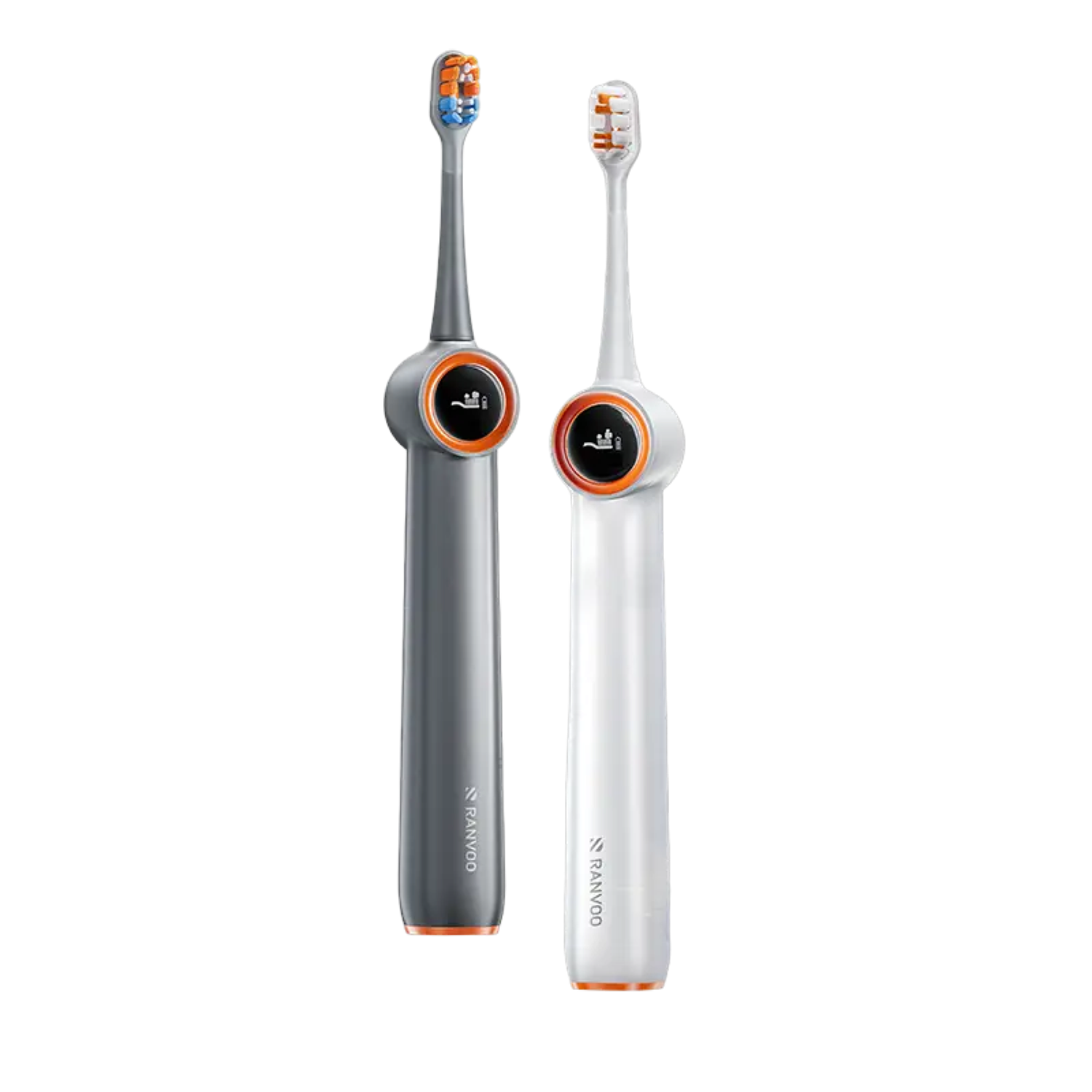








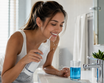

It depends on what you ate. After most non-acidic meals, brushing soon is usually fine. But after acidic foods or drinks, wait at least 30 minutes before brushing. Acid temporarily softens the outer layer of your teeth, and brushing too soon can wear that softened layer away.
When in doubt after an acidic meal or drink: rinse with water, wait about 30 minutes, then brush.
Why Enamel Is Weaker Right After Acid
Your teeth are covered by enamel, the hard outer layer. Acid from food and drink can pull minerals out of that layer. This is called demineralization, or mineral loss from the tooth surface. The enamel becomes temporarily softer.
Acidic foods and drinks, especially when consumed often, are a key cause of this mineral loss.
Saliva, or spit, is your mouth’s natural recovery system. It dilutes acid, washes it away, and supplies minerals like calcium and phosphate that help enamel harden again. That recovery process is called remineralization. Saliva helps neutralize and buffer acids from food and drink.
When enamel is in that softened state, brushing can scrub the surface. So the real question is not just “should I brush after eating?” It’s “what did I just eat or drink?”
The 30-Minute Rule for Acidic Foods and Drinks
Common acidic items include:
- Citrus fruits such as oranges, lemons, and grapefruit
- Soda and other carbonated soft drinks
- Wine
- Coffee
- Vinegar, salad dressings, and pickles
- Tomatoes and tomato sauce
If you’ve had any of these, aim to wait at least 30 minutes before brushing. That waiting period lets saliva start lowering acid levels before you brush.
While you wait, two easy habits can help:
- Rinse with plain water.
- Chew sugar-free gum to increase saliva flow.
Chewing sugar-free gum can stimulate saliva and help neutralize acid. These steps don’t replace brushing, but they make the waiting period easier.
Some newer evidence suggests brushing with fluoride toothpaste may lower the risk if you brush sooner, but waiting is still a simple, enamel-friendly habit when you can. The evidence on exact timing is mixed.
After Non-Acidic Meals: When Brushing Is Fine
After meals that aren’t very acidic—like eggs, toast, rice, or a sandwich—brushing soon is usually less risky. There is no strong reason to wait.
But you do not need to brush after every meal or snack. The more important goal is a consistent twice-daily routine. If you’re unsure whether your meal was acidic, a quick water rinse is a safe middle ground.
How Often You Actually Need to Brush
The basic routine:
- Brush twice a day with fluoride toothpaste.
- Aim for about two minutes each time.
- Never skip the bedtime brush.
Fluoride helps strengthen enamel and protect against cavities. Standard fluoride toothpaste used twice a day is a core cavity-prevention step.
Brushing more than twice a day usually adds little benefit. If you brush aggressively or right after an acid attack, extra brushing may cause more wear. Focus on timing and technique rather than brushing after every bite.
If You Can’t Wait: Damage-Control Options
During the 30-minute window, try:
- Rinsing with water.
- Drinking milk or eating a small piece of cheese.
- Chewing sugar-free gum.
- Using a fluoride mouthwash if your dentist recommends it.
Dairy foods can supply calcium and phosphate that support enamel repair. Milk and cheese may act as mineral donors for remineralization. Sugar-free gum boosts saliva, and water rinses away food particles and some acid.
These options reduce acid and leftover food, but they don’t replace brushing. Brush when the 30 minutes have passed, or stick to your normal brushing time.
Common Pitfalls That Harm Enamel
Avoid these habits:
- Brushing right after vomiting. Stomach acid is very strong. Rinse with water or a fluoride rinse. Some guidance recommends waiting about two hours before brushing after a reflux or vomiting episode. After a reflux episode, waiting and using a soft brush helps protect teeth.
- Using a hard-bristled toothbrush. A soft brush is gentler on enamel and gums. Soft-bristled brushes are preferred for people at risk of tooth wear.
- Scrubbing hard after acidic drinks. Acid already softens the surface. Scrub gently.
Waiting and gentle care matter even more if you have acid reflux, dry mouth, or sensitive teeth. Less saliva means less natural acid control, so enamel needs more time and protection.
When to Ask a Dentist for a Custom Plan
Talk with a dentist or dental hygienist if you have:
- Visible tooth wear, thinning, or notches near the gumline
- Tooth sensitivity to hot, cold, or sweet things
- Frequent acid reflux or heartburn
- An eating disorder that involves vomiting
- A history of many cavities
- Dry mouth from medications or a health condition
Your saliva flow, medications, diet, and tooth history can change the best brushing timing for you. Tooth wear may be linked to reflux or eating disorders and needs a personal plan. A dentist can suggest the right fluoride product, brushing schedule, or other protection.
A practical daily example: If you have an acidic breakfast like coffee and citrus, brush before breakfast or wait 30 minutes after finishing. At night, brush before bed no matter what.
 Best Overall
 Best Value
 Best for Sensitive Teeth
This article has been reviewed by an oral health professional for accuracy. It is intended to provide general educational information and should not be used as a substitute for personalized medical advice, diagnosis, or treatment. If you have questions or concerns about your oral health, please consult a dentist, physician, or other qualified healthcare provider.