
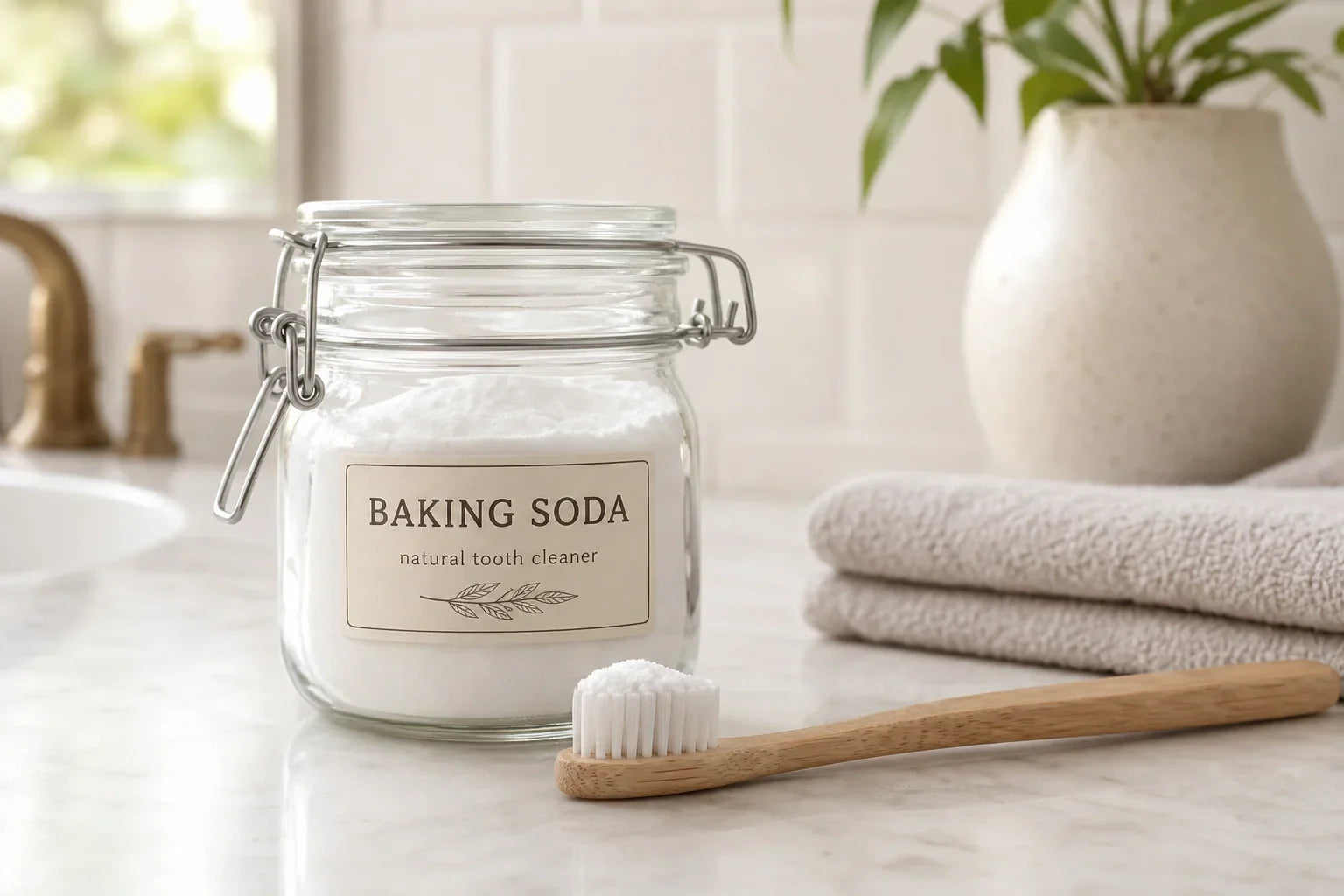
Brushing Teeth with Baking Soda: Tips for Whitening
TL;DR: Baking soda (sodium bicarbonate) can lift surface stains and help reduce plaque when used gently and sparingly, but it’s not a one-for-one replacement for fluoride toothpaste. It won’t blea...
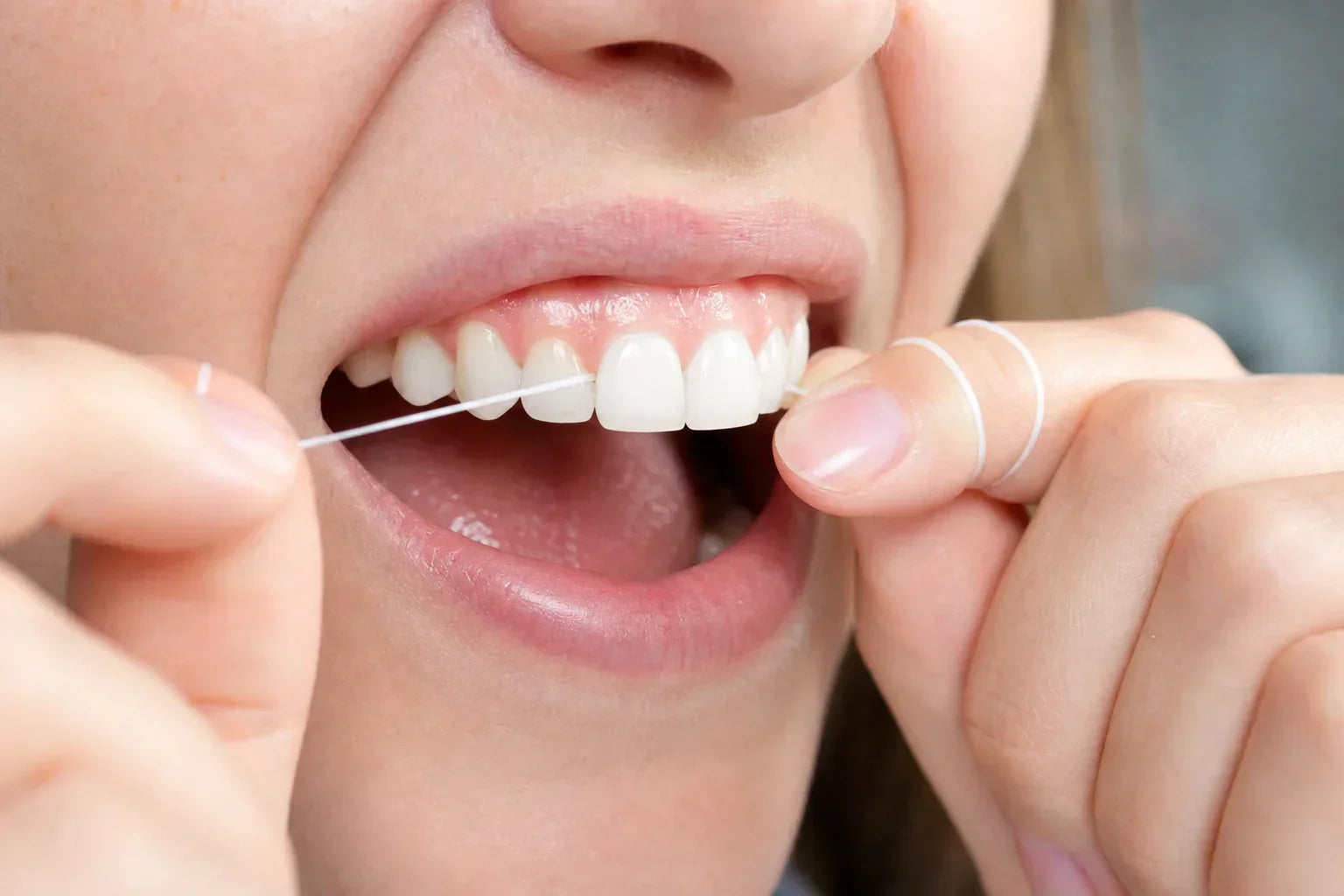
The short answer: dentists recommend flossing once a day. That daily rhythm disrupts the dental plaque biofilm before it can harden into tartar and trigger gum disease. The how matters just as muc...

TL;DR: Getting braces put on doesn’t hurt in the moment—there are no needles or drills. The real discomfort starts a few hours later as a dull, achy soreness that peaks around 24–48 hours and then...

How Long Should You Brush Your Teeth?
TL;DR: The American Dental Association and virtually every major dental authority agree — two minutes, twice a day is the non-negotiable standard. Most people average just 45 seconds. That 75-seco...

Should You Use Mouthwash Before or After Brushing Teeth?
The Short Answer: Mouthwash should be used before brushing—or at a completely separate time of day. Using it right after you brush washes away the concentrated fluoride your toothpaste leaves behi...

TL;DR: Plaque is the soft, sticky film you can brush away. Tartar is the hardened fortress it becomes when you don't. Knowing which one you're looking at — and what to do about it — puts you back ...
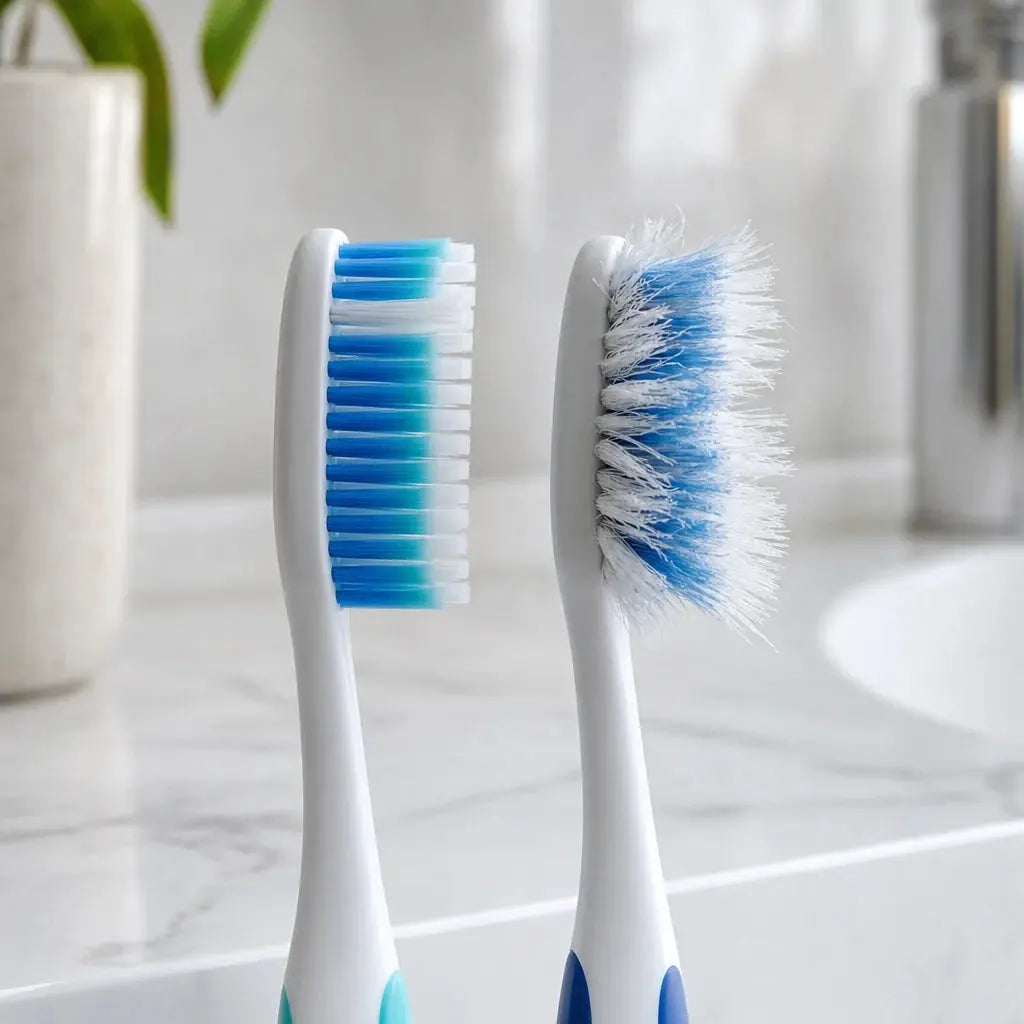
How Often Should You Change Your Toothbrush?
TL;DR: Replace your toothbrush or electric toothbrush head every 3 to 4 months. But don't count the days religiously — watch for frayed, splayed, or faded bristles instead. If the bristles look wo...


